
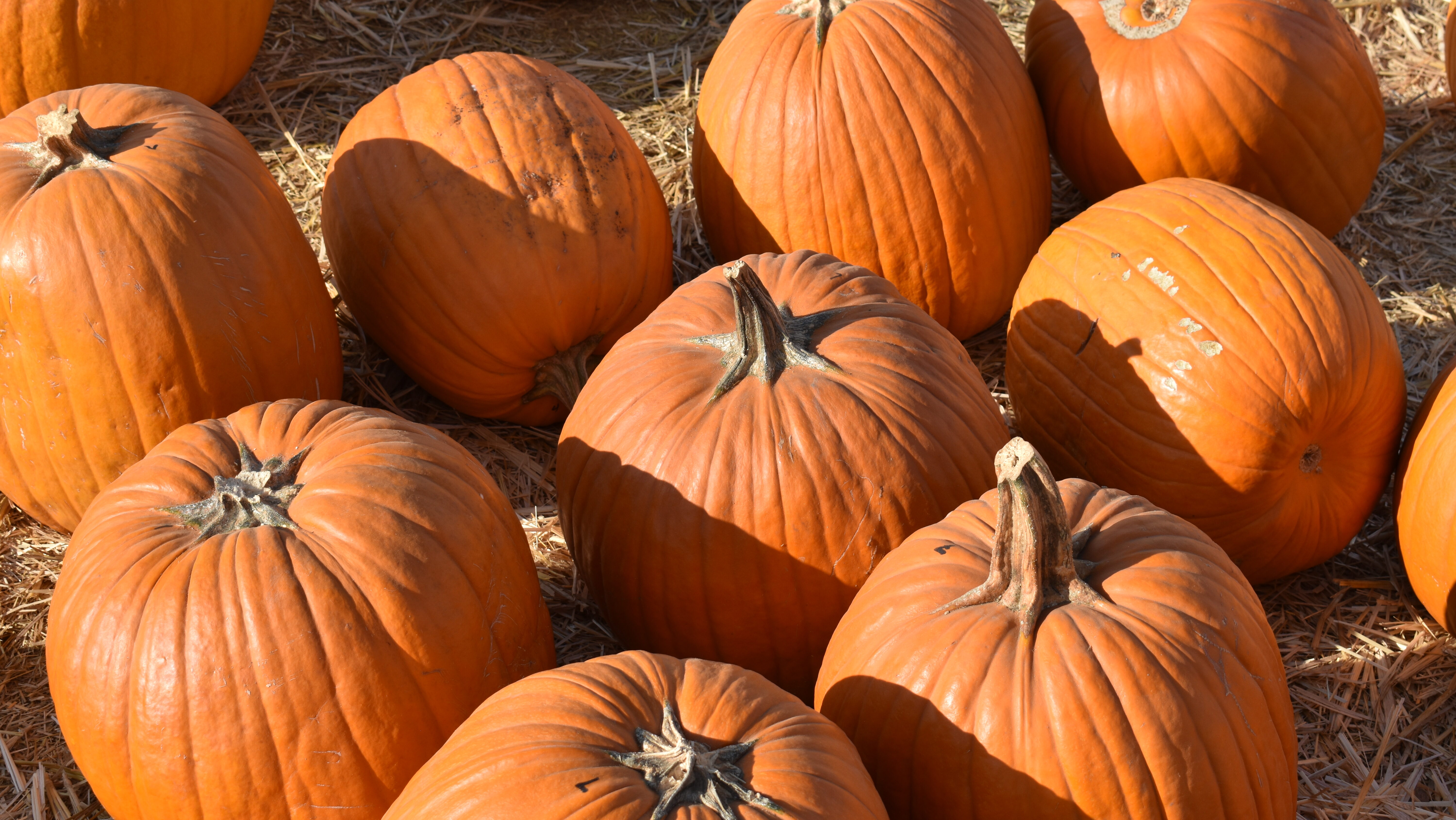

It is the season of polystyrene tombstones erected in front gardens; paper bats hanging aflutter above your head; pumpkins (carved and eaten); pumpkin-spice lattes; slasher flicks; and lots of treats. It is the season of orange—or maybe this is just what we think when we hear Halloween.
So how did this ancient Gaelic harvest festival become your excuse to eat sweets and dress up as a sexy vampire or that meme you showed your mate, who gave you the thumbs up and a wink? This ancient harvest festival, also known as Lúnasa, was traditionally held between the summer solstice and the autumn equinox, and was the time for athletic contests and trading livestock.
Around the world, the tradition of Halloween differs substantially. My small hometown in the backwash of Somerset saw a 14-year-old me celebrating Halloween in my morph suit, egg yolk dripping down my back from the bloke in a balaclava perched on the primary school roof, with cartons at the ready. Halloween was as close as we got to The Purge, whereby in lieu of government-sanctioned criminal activity, we dared to ding-dong ditch, and when feeling peckish, politely collected treats from those kind enough to have fetched some from the shops.
Bless my Libyan friend, who caught an apple with her teeth during her first Halloween party at ten. Much more wholesome than a back dripping with egg. Halloween is rarely celebrated in North Africa, so her perception when she came to the UK was heavily reliant on the hit teenage novel, Diary of a Wimpy Kid.Along these lines, she imagined huge trails of toilet paper draped over roofs, really scary costumes, and the air literally smelling like Halloween. I wonder if anyone could say what that smells like.
Looking towards a different culture, my Chinese relatives have their spooky season at a completely different time. Ghost Festival falls on the fifteenth day of the seventh month of the Lunar calendar— August 27th for the Western calendar. This traditionally Taoist and Buddhist holiday sees celebrators offering food at altars to the wandering souls of their ancestors. Yín zhǐ, or joss paper, is burned to ensure that, even in the afterlife, the capitalist agenda trudges onwards.
While this is not strictly the Western Halloween we know today, the common denominator is an air of spookiness. Sure, the fright from ye olde Gaelic villager who has just seen their neighbour toting a dead animal skin facemask might not rival the fright that your mate got upon receiving a Brussels sprout wrapped in Ferrero Rocher foil. Which do you think is worse? However, Halloween has shaped up to be a largely secular, less spooky holiday enjoyed by many.
One can only track through time the evolution of Halloween to understand how much of All Hallows’ Eve is rooted in tradition. Bonfires were actually once called ‘bone fires’- yes, because they were made with bones. Orange and black were colours used to represent the harvest and darkness. Witches, before the 15th century, were actually depicted flying on shovels – not broomsticks. Good ol’ tradition, the maker of much fun. But without such ardent belief and reverence to customs, where and who would we be?
Halloween is far from being washed in mud and left behind. Each year invites new trends and therefore new costumes, but for the younger generation there is no burgeoning tradition. There is pumpkin carving and trick-or-treating, the Day of the Dead in Mexico, and Souls’ Week in Austria and Germany, but these traditions were established a long time ago. It’s about time we, as a generation, knuckled down and found our own footing. We must pioneer what, in many decades, new generations will do during the spooky season.
There’s little room for sentimentality, but we owe future generations the same pleasure we now revel in, established by our predecessors. While some of these traditions are steadfast, something new alongside these pre-established traditions would only serve as an exciting Halloween for those in the future to look back upon with warm smiles.