

CW: Mentions of rape and sexual assault
Visceral rage and disgust are the only words that describe how I feel when I read about the recent Jane Doe V. Cornell University case, and when I see the multitude of women who have also suffered similar experiences like hers. A majority of people online have responded in a similar outraged manner: what sort of person wouldn’t denounce such a crime to the public eye? And yet, rape and sexual violence continues to be one of the few crimes that faces a double standard of being obviously condemned while failing to bring victims to justice. Survivors are often victim-blamed: in a 2011 study, the leniency bias in rape cases compared to other crimes was explored by recording the reactions of 288 participants towards case scenarios for rape and for robbery between a male perpetrator and a female victim. Case scenarios for both crimes varied in regards to their prior relationship (i.e. if they were strangers, acquaintances, or ex-partners) and coercive strategy (use of physical force or intoxication). Participants were then asked to rate perpetrator and victim blame. Generally, victim blame was higher for rape than for robbery. Victim blame was highest for rape when the case scenario involved an implied past relationship between victim and perpetrator, while staying constant for robbery.
In cases like the Jane Doe case, institutions have prioritised reputational damage control over the protection of victims. We read and hear more and more stories and are expected to move on. Thus, the #WeAreAllJaneDoe movement has been crucial for reminding people of the dangers of rape culture. The movement began on September 16th 2026 when a former Cornell University student, Jane Doe, filed a civil lawsuit against the university, Chi Phi, seven student members of the fraternity, her own sorority Delta Delta Delta, and others. She alleged that she was drugged and gang-raped by the seven students at the Chi Phi frat house on October 19th 2024.
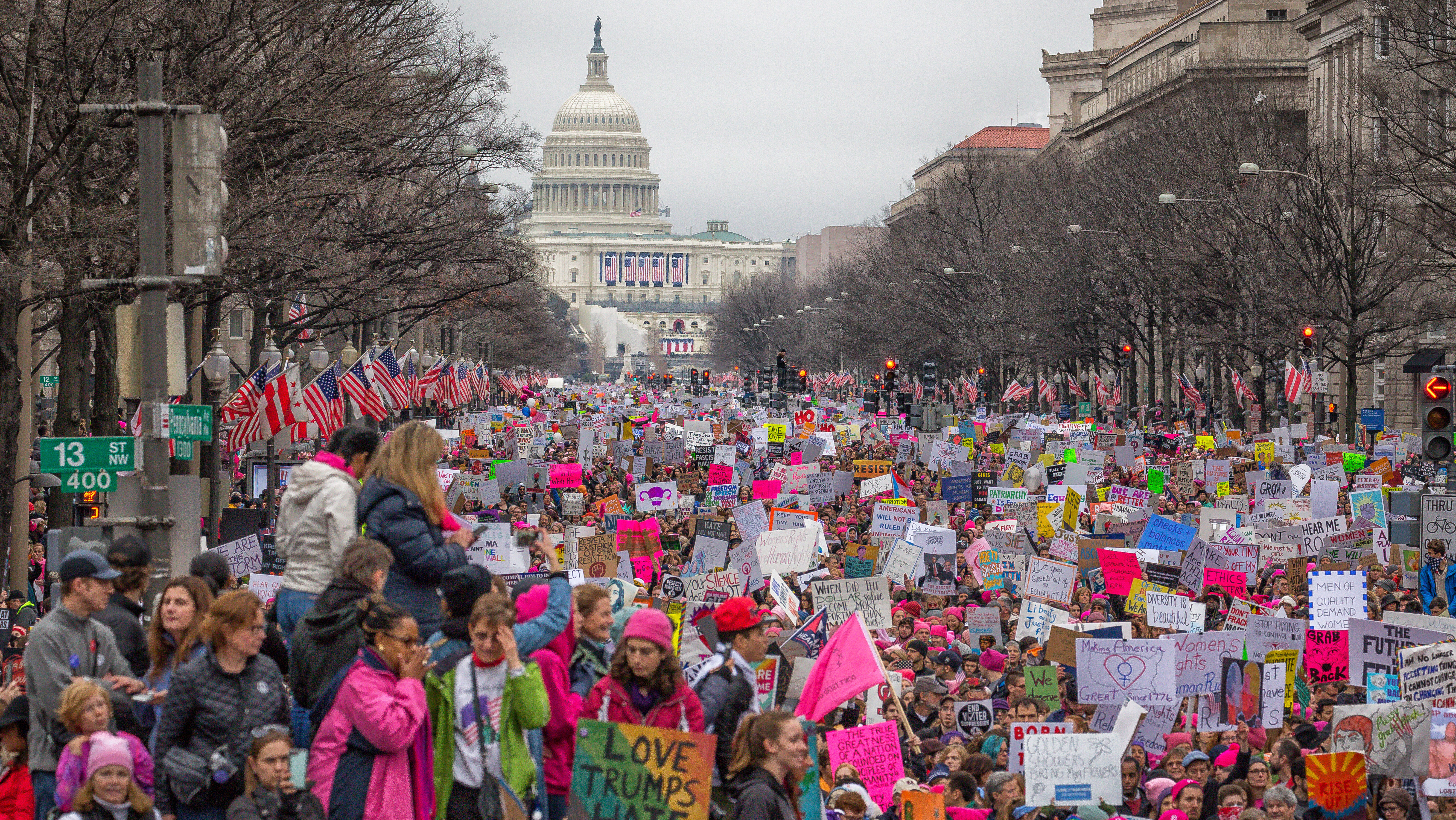
The issue of reporting sexual assault cases is not some distant affair restricted to American colleges either. The recent Cherwell report has brought to light that institutional neglect of sexual misconduct is very much alive in Oxford. With only 12.5% of reported sexual misconduct complaints investigated, a failure from the University to send a representative in response to the recent Conference of Common Rooms Item E (Student Sexual Harassment & Misconduct), and dozens more students intimidated into silence despite their traumatic experiences, I can say that I and many others I know feel scared and angry. So, we can write and we can call out and we can march. But no matter what our actions are, students like me are left feeling as if our actions are not enough. In spite of this, fourth-wave feminism as a movement has utilised the ever-growing facilitation of digital information transfer, pressure, and campaigns to effectively hold flawed systems accountable until they are obligated to make positive changes.
Fourth-wave feminism [2012 – present] in itself is arguably hard to define. However, what has set it apart is a strong surge in social media activism which has enabled previous feminist movements to become more visible to a global audience. For example, it heavily builds upon the concepts raised in the third wave [1990s – 2010s], such as intersectionality (how overlapping identities such as race, gender and sex interact with one another to form individualised and amplified systems of discrimination), and gender performativity (in which gender is not defined by a fixed biological essence, but something that is manifested through an individual’s idiosyncratic acts, such as talking or the way you dress, to create a stable gender identity). However, issues that second wave feminism [1960s-1980s] previously
fought against – namely gender-based violence and abortion – are re-circling as women face the fact that many of the rights that they have earned previously are being taken away in real time. Think of the overturning of Roe v. Wade and the loss of a constitutional right to an abortion with legality up to each state, or a largely unchanged constant in which 83,000 women and girls around the world are intentionally killed, with 60% of these being committed by intimate partners or other family members. The regression of female rights is why it is more urgent than ever to achieve a greater outreach. It is crucial to equip individuals with sociopolitical information rather than rely on institutional activism, especially when we can see our institutions failing us in real time.
Katie Blevins in her 2018 paper, “Bell Hooks and Consciousness-Raising: Argument for a Fourth Wave of Feminism,” highlights five ways in which digital activism is a valuable asset to have. This includes the encouragement of individual participation in activism and the visibility of prominent sociopolitical issues. Furthermore, content is usually user-generated, and therefore shows an individual’s willingness to produce and participate in political spheres whilst lessening reliance on institutional activism and allowing content to be directed at a greater speed and scale. An intergenerational and transnational participation in fourth wave feminism is therefore essential.
Consequently, the viral media campaign launched (#WeAreAllJaneDoe) is a great example of what a powerful, digital, awareness-raising space can do. The campaign consists of solidarity posts, safe space building, circulation of information, and support services available to women affected by gender-based violence. It has crucially brought to light what rape culture actually is, as socially enabled, deep-rooted misogynistic views of gender and sexuality allow a culture in which rape is pervasive. Many find it useful to visualise rape culture as a pyramid, in which behaviours at the bottom (e.g. sexist attitudes and jokes) enables normalisation of behaviours at the top over time. Its most abhorrent manifestations are still worryingly prevalent: nearly one in three women (around 840 million globally) have experienced sexual violence during their lifetime. Alongside this statistic, it is also our duty to dismantle stereotypes that form the foundation of this culture. While social media is one of our greatest weapons for the movement as I have discussed, it is also important to consider its drawbacks.
Such a veil of anonymity that social media provides is, of course, enticing for the average misogynist to spew feminist backlash and stereotypes. While trends and algorithms can help create communities that raise awareness, (as we have seen with #MeToo, #EverydaySexism, and #WeAreAllJaneDoe) they can also create bigoted spheres. When looking at responses to these movements that work to defend marginalised individuals, there is a tendency to shun them and deem them as ‘woke’, as if it is funny to silence urgent issues. The course of feminism is clearly not over: not overseas, not in the UK, not even in our own university where students are abused by the system to such an extent.
Accountability is yet to be achieved. Outrage was sparked at the minimal consequences the Cornell seven faced, with only two expelled, and others let off with other minimal disciplinary actions, such as writing essays. There was outcry against the 50 others present in the “Chi Phi Actives” group chat, who could clearly see despicable comments and images being sent around, and chose to do nothing, whether down to peer pressure, or distrust in the system to adequately resolve issues. And once again, millions of women were coldly reminded how unprotected they were to even the most atrocious of acts.
It is clear that society, globally and locally in Oxford, needs fourth-wave feminism more than ever. Women are yet to have the blessing of living in a post-feminism world when they are still undergoing horrific suffering under the public eye and still struggling to receive justice for it. As individuals and collectively, we cannot let each case or report exist for a fleeting moment. The movement relies on our voices to be regularly publicised, our rage at institutional handling to be weaponised, and true gender equality to be legitimised.
Useful Links:
Oxford Sexual Abuse and Rape Crisis Centre: https://www.survivorspace.org.uk/
It Happens Here – Oxford’s anti-sexual violence campaign led by University students – https://www.ithappenshere.co.uk/
Oxford Sexual Harassment and Violence Support Service – https://www.ox.ac.uk/students/welfare/supportservice