
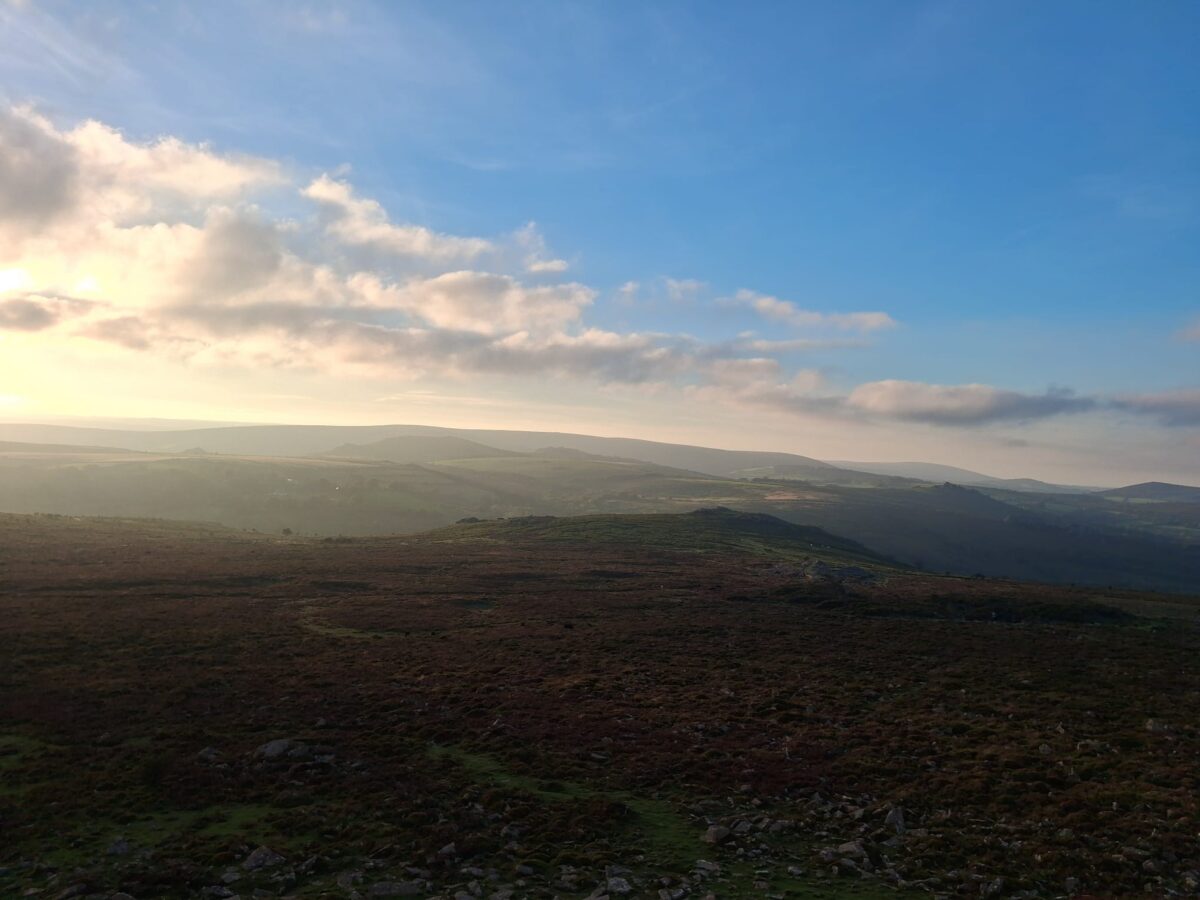
Moving from the rolling patchwork of the English countryside to the flat greenery of the outside of Oxford didn’t feel like too much of a change from my home-roots, at first. The further I move into the centre of Oxford, however, the further I move away from the quiet serenity (and sometimes boredom) of my hometown. Living beside the cows and sheep which inhabit the fields around my house is drastically different from the commuters, tourists, and general stream of traffic which make up the blur of Oxford streets. The choice of whether to go down Ship Street or Broad Street is a moot point when both are equally as busy as one another. Thus, I proclaim my status as a ‘Country Bumpkin’.
Country Bumpkin: a disparaging term for someone from the countryside who is not sophisticated within the fashions of the city, leading to socially awkward situations. Or alternatively, apparently a type of country dance (Bumpkin), although that has less to do with what I am talking about.
It is quite isolating to be this ‘country bumpkin’ character within a city where 29.9% of the successful applicants to Oxford are from London; proximity and distributed wealth add to this fact. A large chunk of those who are Londoners arriving for term each time, I imagine, are just simply moving from point A to point B as a physical transition from city to city. For those who live in the countryside out of term time, the transition requires more of a metamorphosis, as I and others who I have spoken to have to actively move into a different mindset.
In South West England, I claim a tiny space in the small town of Totnes in Devon. Having lived within the same vicinity for my entire life, I find comfort within a high street that would be a by-street by Oxford standards. The nearest cities are nearly an hour away by car and so the meandering lifestyle of a town full of older people, hippies or ‘poshos’ goes on without much interruption during the winter months when the ‘Grockles’ (tourists), have moved back to their respective cities. In fact, the town of Salcombe is dedicated to second homes and becomes a ghost town when the rain inevitably descends upon us. The 9.6% of successful Oxford applicants from the South West, that I have spoken to at least, experience the same whiplash that I do when leaving what is a beautiful, if at times dull, landscape.
Talking to my friends at Oxford brings to light the different identities of those who do not have to deal with this change. They look comfortable walking down a city street and conversing with those around them. The clubbing scene is reportedly rubbish even though to me it’s something much larger than can be set up near where I live. Then there is me, in the middle of a social situation, unsure of how to be within a crowd of people.
There are similarities of course. The coffee shops are abundant in Totnes as they are on the high street in Oxford, and there is a Norman castle in the middle of the town back home, although this is a poor rival to the old buildings on every street here.
What I have realised within the established dualism of my life now, between two places, between having a degree and not having a degree, is that the liminal space works in my favour. The movement between these two worlds allows me to acknowledge who I am in a much more stable way. I don’t mind learning that I am essentially a ‘Country Bumpkin’ at heart, that is okay. It just requires a couple days of quarantine before I can push myself to venture out into the heart of a very busy, beautiful city before heading home during the vacs for a dozy break from the bustle.
Just as Londoners should not have to apologise for being Londoners, I do not have to shed my home identity, but can morph it into a new mould. I can retain my core country values which are applicable to the city self I am fashioning.