
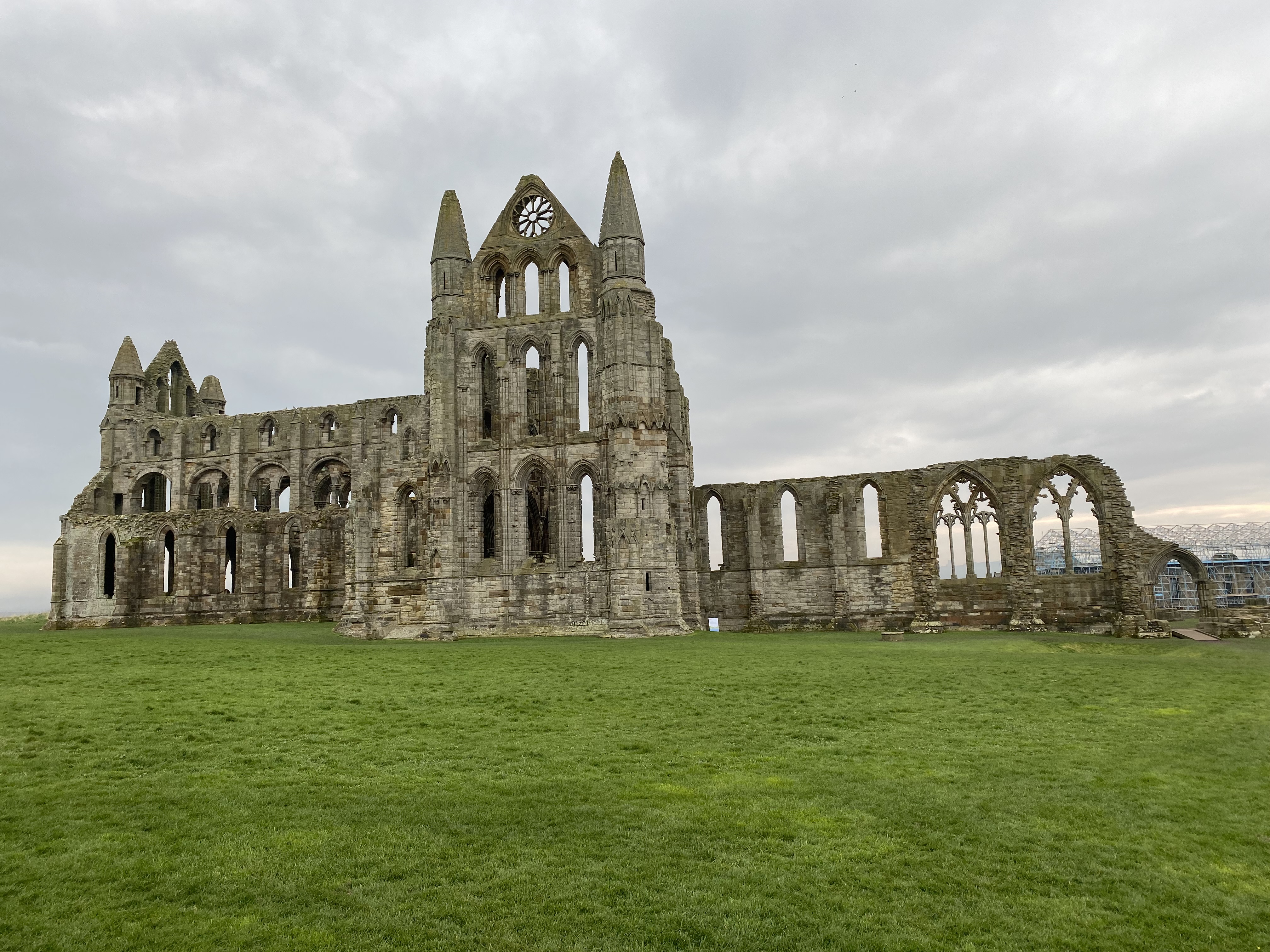
This text is the last confession of Amy Sab, the Cat of a North Italian Benedictine Abbey, set in 1327 in the universe of Umberto Eco’s ‘The Name of the Rose’. Translated from the original cat by Laurence Britton.
Translator’s note on the text: since the text was originally written in an old style of colloquial-register cat, I have mirrored that here by using an ‘older’ style of English and a predominantly iambic metre. However, the original is not consistent in its form or a work of great literary merit, so that too has been imitated here by lapses into a trochaic metre or free verse, as well as inconsistent syllable quantities.
As now my time comes to its final light
I know I should throw off my earthly weight;
To tell my tales of pain and sinners true
To warn, confess, and teach you of life’s ways.
Dear children, wrenched from me ‘ere time was right –
Heed my words: mankind is full of hate.
The tale I tell is from my younger days,
When work I did beneath the vaulted roofs.
From babe to older times I stalked along the walls
And slinked along the shaded cloisters cold:
Their guard I was to keep the pests away.
It was just me employed in this here role
For far more years than I would like to say!
No stoat or weasel dared to test my strength;
The mice just knew their place: all out of sight.
This way it was for all my time until
One morning changed the lives of all us there.
His corpse was found upon the dewy ground,
The blades of grass bent over by the blow.
A window floors above the wind now sway’d.
The floor inside was soaked with ev’ning rain.
Twas death – that’s clear – but not by my clawed hand.
I knew this mouse – no fool was he at all.
Far from a mouse to fall to death in vain.
Did shame compel him o’er final edge?
Or foe with glee and thought for their own gain?
I could not shake the doubt though from my mind
For one odd clue clung like a hanging sword:
Why oh why had his young tongue gone black?
I did not have long to wonder how he’d gone.
The world is fickle with its hoarded time.
I would have thought the corpse had just been moved –
The same contortion of his pleading eyes,
The same tongue – bible black.
But this was just a tragedy anew –
A blameless mouse struck down by unknown hand.
Not once had he defied the abbey’s rules.
Round and round he twirled, fur drenched, lungs filled,
In a vat of evening’s long cold stew.
Could he perhaps have fallen in,
too tempted by the wafted smell?
Yes, yes that could be true –
Food was dear-scarce these short’ning days.
And small mouse mouths push parents on.
Would that his blackened tongue could tell
How ended up it did in that foul state.
An oddity one time would be:
coincidence two times can sadly not.
To say the next poor soul was found
Would stretch the truth beyond what really was.
An ashen shape lay in the embers warm –
A long dead corpse but fiery to the touch.
Though wince I did, with my clawed paw
I levered the dead mouse’s jaw,
Encased within and dried to dust
Was blackened tongue – but not with soot.
My brain fought hard to find the linking cause.
A murd’rous plan of four pure states – one air,
One fire, one water so far killed?
Would the next they find be gorged with dirt?
Encased, entrapped by fallen stone?
I had to stop the coming death.
Don’t get me wrong – my work is keeping mice away,
Yet no one can but retch at inanimal cruelty.
Three deaths, three points, a bitter triangle.
The centre was a looming tower tall,
Shut off to me and monks alike for all my time.
It must be there, within the stone, that poor
mouse four would cry in vain.
That night I hid till coast was clear
Then scaled the ivy up the creamy stone.
Still whistling in the wind was open window pane –
I crossed the sill reverse to poor mouse one.
Footsteps there were, and lamplight too, in front –
I hid in dark till two odd men had passed,
One old, one young, one calm, one tense.
They seemed to seek a certain place –
They ran at speed and opened a secret door.
Was this a clue? For two more men to seek
What evil in this building lay –
Coincidence… that could hardly be.
Before it shut, I slipped myself inside.
The air was dank and musty with old books;
No light, no air, just earth cold rocky walls.
An older man now made their number three,
Ensconced with book in centre of the room.
The men fussed over the book with eager eyes,
Such wonder and confusion filled their every word.
Did they not notice the sickly smell
Which called me as a siren with its scent?
That book was not an ordinary book –
Its pages were a banquet to the nose,
A lifeline to a poor and starving mouse.
A goo was lathered on its pages edge –
It was that which reeked of life and joy,
A temptation to whatever tongue.
Strange it had no hold on men –
For close they were but tasted not.
Just read and talked, though growing loud.
With darting hand one ripped the pages,
soaked in the juices of desire.
He gnawed and chomped and wolfed them down
Whilst beating away the other two.
Wretching, foaming, sprawling now,
Taken from this earthly realm.
Lips left split by blackened tongue.
The building was ablaze with fiery light
(death did so distract from where one placed one’s lamp).
There was no flight, but window near
So out I flew in heavenly fear.
How wrong I’d been, there was no cause,
No cause except the hate of men.
Each mouse who’d died was not a loss
To some planned murder of the states.
They had been lured by saintly smell
Then they were tortured like in hell.
Twas poison on the pages found –
Which burnt their innards and their tongue.
Mouse one had leapt in harrowing pain,
Mouse two had sunk to douse himself,
Mouse three had burnt his flesh – inside and out.
The men who chose to lace that book
To lure poor mouses to their deaths
Must suffer for the pain they chose.
I kill clean and for a cause:
They caused agony for fun.
I often ponder that old man,
The final victim of the book.
For what did he consume the book
If he knew that death would come?
It must be he who did the deed
And murdered mice from far away.
The price of sin: to eat the book –
To suffer the same fate as he dealt.
Damnation rained down on all the men
As their old home went up in flames.
They broke the sanctity of life
To only lose theirs in return.
A vengeance wanton cruelty needs.
A vengeance neutral justice wrings.
Afterword: Unknown to Amy, the monks had not in fact been deliberately and cruelly killing the mice, but instead had laced the edges of the book to kill any of their own number that attempted to read the dangerous contents inside. William and Adso, the two men Amy followed into the secret room, swore that their lamp which caused the destructive fire was knocked over by an animal wandering by their feet.
You can read more creative works featured on The Bluebell here.