
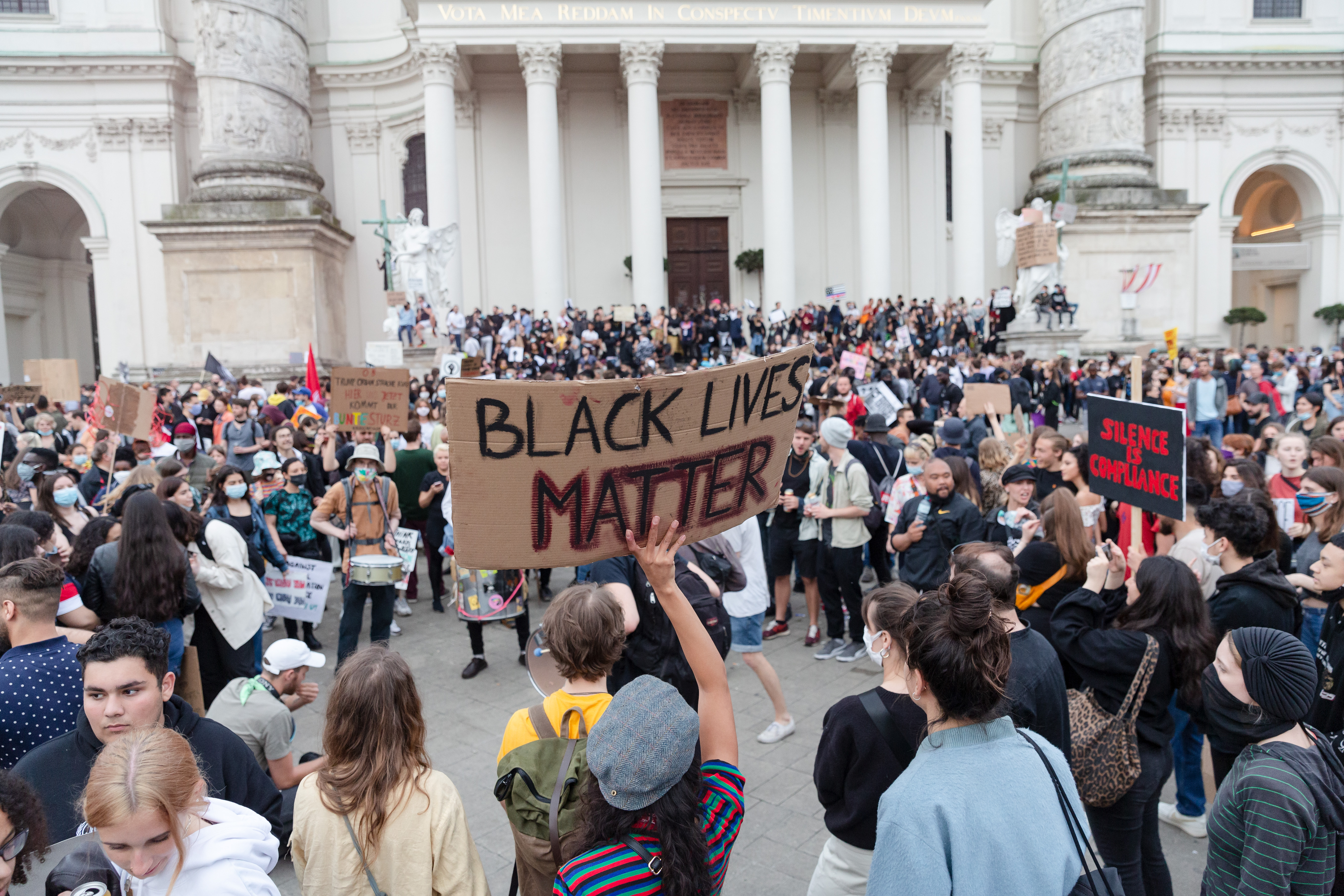
October is a key month of the calendar for the celebration of Black History in the United Kingdom. Increasingly though, I have noticed people both in-person and online pushing back against the idea of a month dedicated to celebrating the contributions of Black people and Black culture across history. Pushback typically goes like this: “But why do we need a whole month for Black History? Doesn’t everyone’s history matter?”
Then I try to explain that this is not the premise of Black History Month. Black History Month isn’t about erasing or ignoring the history of those who are not Black, but a celebration of what had gone unacknowledged for so long. As a white, female, British citizen, it is about learning about the injustice of systems of oppression and celebrating an identity that is not my own. Just as we celebrate names of those with white heritage on a daily basis with much greater ease over black achievements, it makes sense to me that we should focus on celebrating those with black heritage. Black people’s achievements have systematically been ignored or stolen due to the ideology of racism. For instance, Benjamin Banneker made the first almanac (a type of calendar) in the United States in the 18th century but the credit for this was taken by Benjamin Franklin. Black History Month started being celebrated in America in 1975 (in the US it is the month of February instead of October), pioneered by historian Carter G. Woodson, who is also known as the ‘father of Black history’ and was born in 1875 to former slaves. Woodson had PhD in History from Harvard University and advocated for the learning of Black History in schools and the celebration of figures like Frederick Douglass, who was a significant writer during the 19th century, writing his own slave narrative to spread awareness of the experience of slaves, both before and after the emancipation in 1861. Decades later, Akyaaba Addai-Sebo, a Ghanaian journalist and pan-african activist, was instrumental in bringing the month as a tradition to Britain in 1987; he was one of many activists who were working with the Ethnic Minorities Unit of the Greater London Council.
Furthermore, a misconception surrounding the month is that people of different racial backgrounds have a historic blank, reducing black history to a fixate on colonisation or slavery only, before escaping societal, racial oppression. Black culture is not purely based on oppression, nor does it exist without acknowledgement of societal prejudice. A history of discrimination cannot be ignored, but it is also important that it doesn’t overshadow the heritage of black people. Many literary critics, such as Paul Gilroy in The Black Atlantic: Modernity and Double Consciousness, discuss the fact that the history of oppression, albeit very harshly and unfairly, shapes the identity of the oppressed. It is important to note that Black History goes beyond that, people from African and Caribbean backgrounds are a fundamental and foundational part of British history. Black culture does not exist in a vacuum but actively shapes British culture and has done so for centuries. Therefore, in celebrating Black History we are celebrating a history that we can also take part in collaboratively rather than viewing it as something that we are shut out of. October is significant and should be about community and learning, especially because that is what we love to do at Oxford.
I still find it difficult when I encounter someone who does not follow the same belief in celebration of Black culture, or any other culture than what they are traditionally used to. I once went on a nightmarish date which ultimately led to an abrupt stop because the person told me that they did not believe in Black History Month. Whilst I maintain that it is important that each person be allowed to have their own thoughts and feelings, I struggle to understand the view that celebrating other people is anything but a beautiful part of human existence, especially when systemic oppression has prevented the appreciation of a culture for so long.
Equally, it would also be incorrect to presume that because now we have a Black History month, that the oppression of Black people does not continue to take place. Both personal experience and societal experience of systemic racism (unfair disadvantages or discrimination that people experience due to their race on a societal level) continues within all sectors such as the justice, legal and education sectors. In 2025 there were 115, 990 hate crimes in England and Wales, which constitutes a 2% increase from the previous year. Work continues within Oxford to be more inclusive as Pamela Roberts, a Keble scholar, founded Black Oxford, an ongoing historical project to promote black Oxford scholars, and wrote a book named Black Oxford: The Untold Stories of Oxford University’s Black Scholars. Names like Lewis Caroll and Tolkien are widely known for their excellent scholarly endeavours at Oxford, but I think we should become more aware of names like Christian Cole, the first Black scholar at Oxford and the first Black person practising law in Britain. Perhaps with an increase in awareness through Black History Month, this disparity between the recognition of black and white heritage could be changed.
I will leave you with one of my favourite quotes from my studies of Black historical writings. It is by W.E Du Bois ,a leading figure in the Black Civil Rights movements in the early 1900s who wrote The Souls of Black Folk, a collection of essays surrounding the role of Black culture within America, it goes like this:
“Through history, the powers of single black men flash here and there like falling stars, and die sometimes before the world has rightly gauged their brightness.”
There is more on the Black Lives Matter movement within The Oxford Blue page.
- Mae Bywydau Du o Bwys: Mohamud Hassan, Mouayed Bashir and Black Lives Matter in South Wales
- Bristol City Council removes statue of Black Lives Matter protestor that replaced Edward Colston
- Conversations on race: anti-blackness and the school campus
- “I sconce anyone who only got into Oxford because they are black”, an Interview with Barrister Alexandra Wilson.