


Photographs often arrive detached from the lives around them. They appear suddenly, flattened into headlines, magazine covers, timelines, and front pages. Carrying with them the illusion of immediacy while concealing the long hours, missed attempts, and accumulated patience behind the frame. In The Big Shot: Photographs by Greg Brennan, however, it is the stories behind the images that take centre stage uncovered; the artistic form of the image is reverted back to story.
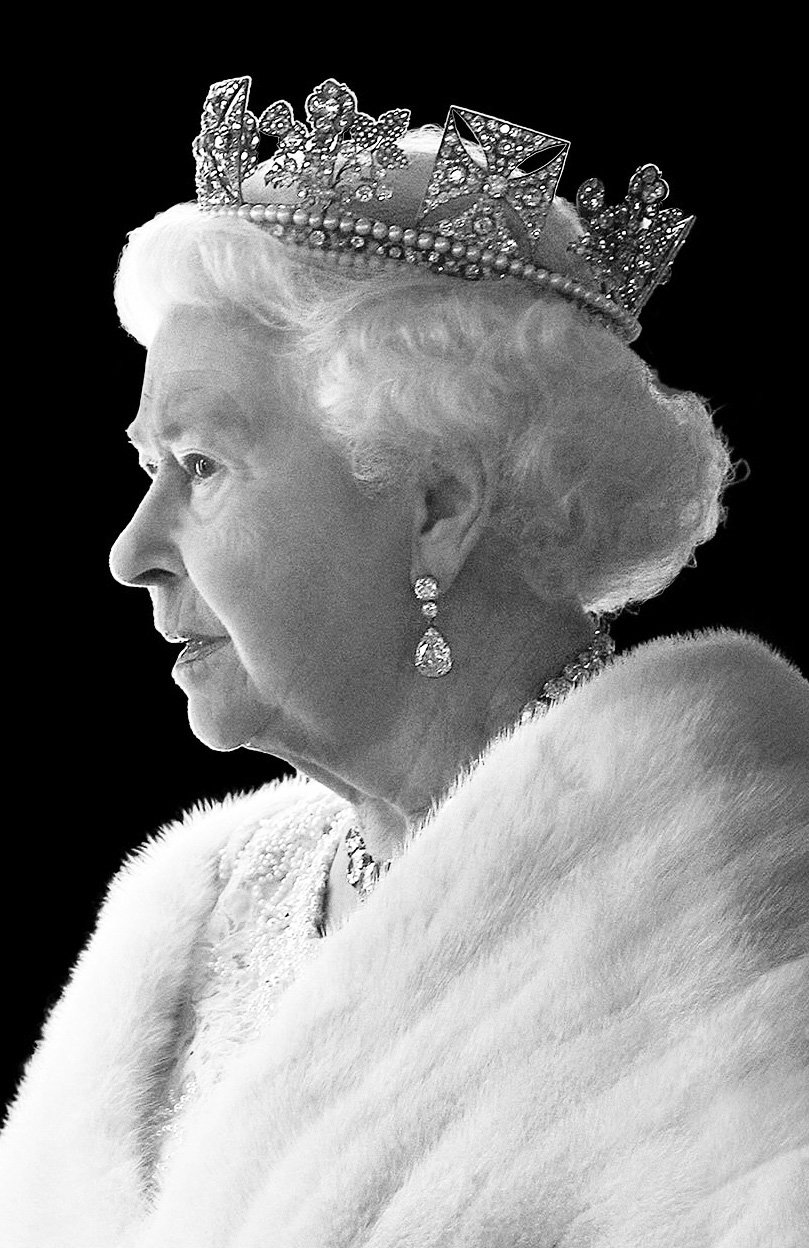
The book brings together over three decades of work by press photographer Greg Brennan, whose career has placed him in the orbit of celebrities, royalty, musicians, athletes, and public events that have since settled into cultural memory. Greg and Dylan Brennan will discuss the book at Blackwell’s Oxford on 27 May. Alongside the photographs is a written narrative by his son, Dylan Brennan, a law student at Hertford College, who reconstructs the stories behind the images: the misconceptions surrounding the famous Kate Moss photograph, the years spent trying to capture a single portrait of Queen Elizabeth II, and the quieter realities hidden beneath public spectacle.
The result is not simply a photography collection, but something closer to an archive of pursuit: a father’s lifelong attempt to capture the perfect image, and a son’s attempt to narrate the life that surrounded it.
The making of a book
The project itself emerged less as a sudden idea than as a gradual accumulation of years already spent working around photographs. Greg had collaborated with ACC Art Books before, contributing images to earlier publications alongside other photographers covering the same public figures. Dylan, too, had already written photo descriptions for some of those projects, quietly establishing a familiarity with shaping visual material into narrative. What began, then, as another collaboration eventually expanded into something much larger: a two-year process of sorting through archives, reconstructing stories, and assembling fragments of a career into something permanent.
Much of the previous summer disappeared into this project of restoration. Days were spent selecting photographs, refining captions, and recovering details half-forgotten by time. Despite having spent decades as a photographer, Greg admits he had underestimated how demanding the process of making a book would become. There is a difference, after all, between taking photographs and deciding how a lifetime of photographs should be remembered.
“The whole thing was a learning curve,” he says. “You assume making a book is simple until you actually try to do it.”
Yet beneath the hours of hard work sits a visible satisfaction. Before its official release, the book sold many copies within hours, something that surprised them both. But what seems to matter more is not commercial success alone, but the feeling that these photographs have finally been removed from the speed and disposability of newspaper culture. Images that once appeared briefly before disappearing into archives have now been gathered together, accompanied by the stories that once existed only in memory.
Writing before authorship
For Dylan, writing entered his life long before this project did. Greg recalls recognising his son’s attachment to language unusually early, describing him as someone who had always gravitated instinctively towards literature. That fascination eventually developed into something more serious: Dylan published his own fantasy novel at fourteen, long before this collaboration emerged.
When the publisher approached Greg about expanding the project into a larger book, involving Dylan felt less like a professional decision than a natural extension of a creative bond that was already present between them. “I thought he was the best-qualified person to do it,” Greg says simply. “And he proved me right.”
What makes Dylan’s role within the book particularly distinctive is that he writes not as an outside observer, but as someone who has lived alongside these stories for years. The anecdotes surrounding premieres, royal events, celebrity encounters, and failed attempts at photographs had already circulated through family life long before they entered print. Writing the accompanying narrative therefore became less an act of interviewing and more an act of reconstruction—piecing together fragments of memory, correcting forgotten details, and giving shape to stories that had previously existed only in conversation.
“Sometimes he forgets things that I remember,” Dylan explains. “So we kind of piece it together between us.”
The result is a voice that feels unusually intimate for a photography book. Rather than simply describing the photographs, Dylan’s writing restores movement around them: the waiting, the misunderstandings, and the years of repetition hidden behind a single frozen image.
Against the headline
Again and again, the conversation returns not simply to the photographs themselves, but to the stories that gathered around them afterwards—stories shaped by tabloids, headlines, and public assumptions that often drifted far from reality.
One of the clearest examples appears on the book’s cover: a widely circulated image of Kate Moss sitting on a staircase. For years, the photograph was interpreted by newspapers as evidence of intoxication after a late-night party, becoming absorbed into the familiar mythology surrounding celebrity culture.
“That story was never true,” Greg says.
In reality, the image had been taken early in the evening while Moss waited for a car to collect her before attending a birthday event. Greg himself had already returned home by seven o’clock. What interested both father and son was not simply reproducing the photograph, but recovering the ordinary truth hidden beneath the sensationalism attached to it.
“There were stories people thought they already knew,” Dylan explains. “But when you actually hear what happened, it changes the image completely.”
The same tension between appearance and reality emerges again in the portrait of Queen Elizabeth II featured on the back cover. At first glance, the image appears impossibly composed, so carefully framed and lit that many assume it was created under controlled studio conditions. In reality, the photograph took twelve years.
The Queen was never sitting for him directly. Instead, Greg spent years attempting to capture a single passing moment as her carriage moved through crowds during public ceremonies. Each year brought only a few brief opportunities before the moment disappeared again.
“You only get four or five chances,” he says. “Then she’s gone.”
Eventually, in 2015, he captured the image he had spent more than a decade pursuing. Later, after sending a small print to the Queen, he received a response requesting an exhibition-sized version for the Royal Photographic Collection.
The story feels quietly emblematic of the book itself: patient, accumulative, shaped less by spectacle than by persistence stretched across years.
Public image, private memory
For Greg, the book represents the fulfilment of an ambition that long predates its commission.
“When I was younger, I told my parents my ultimate goal was to publish my own book,” he says. It took thirty-seven years.
Throughout those decades, photography existed largely within the speed of the press cycle. Images were taken quickly, printed quickly, then displaced almost immediately by the next story. Celebrity culture itself moved with the same pace: faces appearing briefly before vanishing into another headline.
“Young generations consume things very quickly now,” Greg reflects. “But newspapers were always like that too. Photos appeared one day and disappeared the next.”
The book resists that disappearance. By gathering these photographs together alongside the stories surrounding them, The Big Shot transforms fleeting public moments into something slower and more reflective. The images no longer exist simply as press photography, but as records of duration: years spent waiting, observing, returning repeatedly to the same pursuit.
When asked whether the photographs now feel more like public history or personal memory, both father and son hesitate. In one sense, the book undeniably documents history—royal weddings, concerts, premieres, celebrity culture, and public spectacle. Even the publisher classified it as a history volume, something that surprised them both.
But Greg’s instinctive response remains personal.
“It’s always going to be memory first,” he says.
Perhaps this is what ultimately gives the project its emotional weight. Beneath the famous faces and public events lies something quieter: a father attempting to preserve the work of a lifetime before it dissolves into archive, and a son writing those moments back into permanence before they disappear with him.