


It is often difficult to comprehend a loss, especially a rapid one, since we must look for an absence rather than seek a presence. Robert Macfarlane and Jackie Morris recently focused on the emotional attachment to nature in their new book “The Book of Birds”, which hopes to encourage action in the face of such difficulties. In a question and answer on their book, the pair highlighted the difficulty of articulating the significance of biodiversity loss, especially to generations becoming increasingly normalised to the absence of once abundant wildlife. As the saying goes, you can’t miss what you never had. Nevertheless, other groups around Oxford are trying to raise awareness of this unprecedented decline in an attempt to recover our wildlife before it becomes a distant memory.
The Oxford Beekeeping Society recently held an anniversary event at Oriel College training grounds, celebrating a new apiary which sits in the wilder borders of the sports pitches. The first Oxford Beekeeping Society for 185 years, the current students take up the legacy of the Reverend William Cotton of Christ Church, founder and president of Oxford Apiarist Society in 1833. The Victorian society went defunct in 1841 when Cotton emigrated to New Zealand, leaving Oxford without a dedicated society until now.
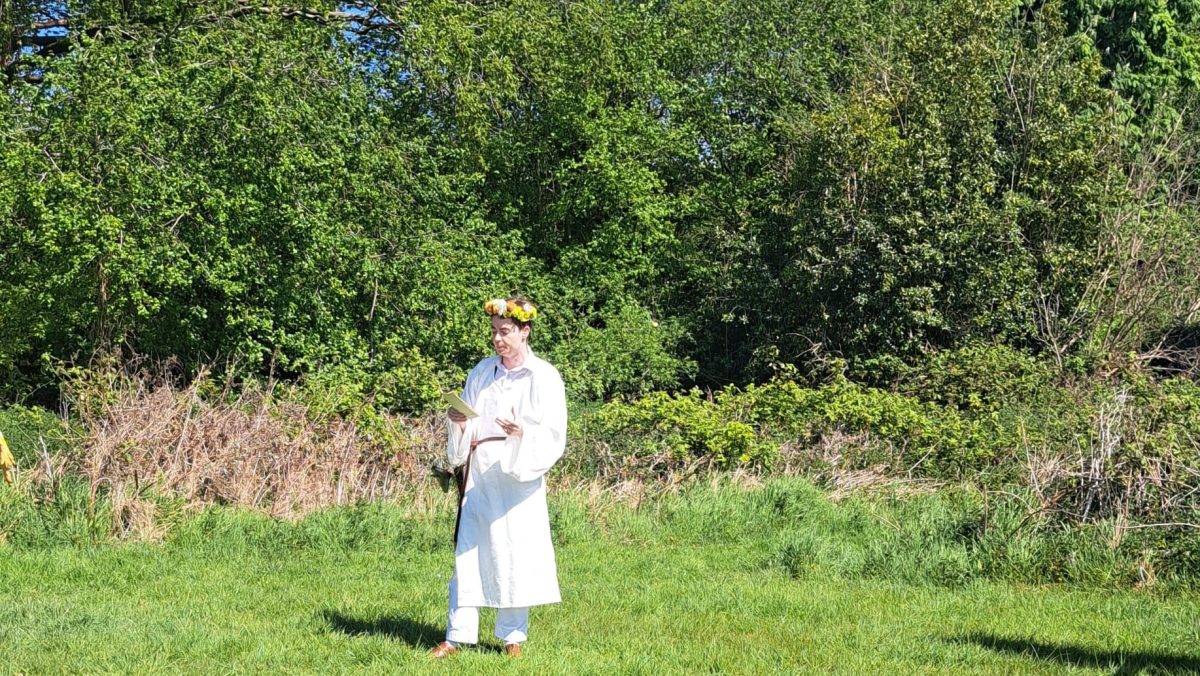
President Spencer Drake, dressed in a medieval Beekeeping costume, emphasised the perilously rapid decline of pollinator populations which Oxford has experienced. Drake told attendees that “wild bees are under a great strain unimaginable to Oxford Beekeepers fifty years ago, let alone two hundred. The growth of pesticides, destruction of wildlands, unchecked climate change, and the spread of invasive parasites have wreaked havoc every year as hive losses grow and wild bees become endangered”.
New research from the University of Oxford has found that plant species often advertised as pollinator friendly in fact flower a month later than the critical colony period of March-June, meaning that many colonies die out before being able to access these lifeline food sources. Increasingly unpredictable seasons have impacted the availability of food sources, especially early flowering plants like blossom, which usually signal the arrival of spring yet now are blooming four weeks earlier than they should be. Mild, wet winters and warmer springs are disrupting pollinator populations since they are no longer coordinated with the blooming period of their foodsource plants.
But it’s not just bees who are in critical decline. These environmental vices impact the entire ecology of Oxfordshire, especially in areas where colleges seek to use their economic assets for development, transforming greenbelt and agricultural land into new urbanised areas. The crisis is a large-scale one, with pollinators such as the meadow ant hoverfly and blubbed general soldierfly now on the species recovery priority list for Oxfordshire, as updated in November 2025. Butterfly populations in the county are also at significant risk, especially from intensive farming practices which maximise yield through the use of toxic pesticides and herbicides. Last year, the Government ban on Cruiser SB outlawed the emergency use of this highly toxic pesticide used on sugar beet, but even removing such extreme dangers to pollinator populations does not mitigate the effects of catastrophic habitat loss. The incident of The Kidlington fly-tipping dump shows how vulnerable habitats and their ecosystems are to the lasting effects of microplastics, chemical leakage and pollution which intensive farming and fly-tipping creates.
Endangered in England and at risk of extinction globally, southern damselflies remain in the UK in approximately ten areas, including one location in Oxfordshire: Dry Sandford Pit. This species requires a very specific habitat in order to survive; channels with a permanent flow of water which does not dry out or freeze. It is clear that pollinator species are in a rapid decline, which cannot be mitigated without reintroducing key habitats.
But as Macfarlane and Morris championed in their talk, there is hope to be found in the moments of connection we have with nature, which we can encourage through cultivating habitat in our own spaces. The recent launch of the Make a Metre Matter campaign advocates for a nationwide movement of small scale rewilding in our gardens. Alongside agricultural and development reform, localised action will also aid in mitigating this rapid decline, yet change must happen as soon as we can implement it, or else we risk losing even more of the beautiful abundance of British Wildlife.