
Editor’s Note
Welcome back to Week 2 of Outside OX1. I hope the weather hasn’t got you too down, but if it has, here’s a weekly round up of some more positive news stories….
First Angelica Ratcliffe recounts Japan’s Mars mission. Japan’s Aerospace Exploration Agency launched a pioneering mission this week to gather moondust samples from Phobos, the larger of Mars’ two moons. Read on to find out more about the mission and its possible consequences for our understanding of space!
After that, we return to Earth as Dillon Shukla reports on Alberta’s decision to remain a part of Canada. This is a perhaps surprising news story – is the country that seems so often in the global good books showing cracks?
Finally we turn to Pakistan and, in particular, the country’s Field Marshal Asim Munir, as Guillaume Antignac analyses Munir’s international and domestic policies. Munir has been at the heart of brokering peace deals between the US and Iran, whilst simultaneously attempting to break down old, corrupt power structures within his country.
Japan launches groundbreaking mission to Mars
By Angelica Ratcliffe
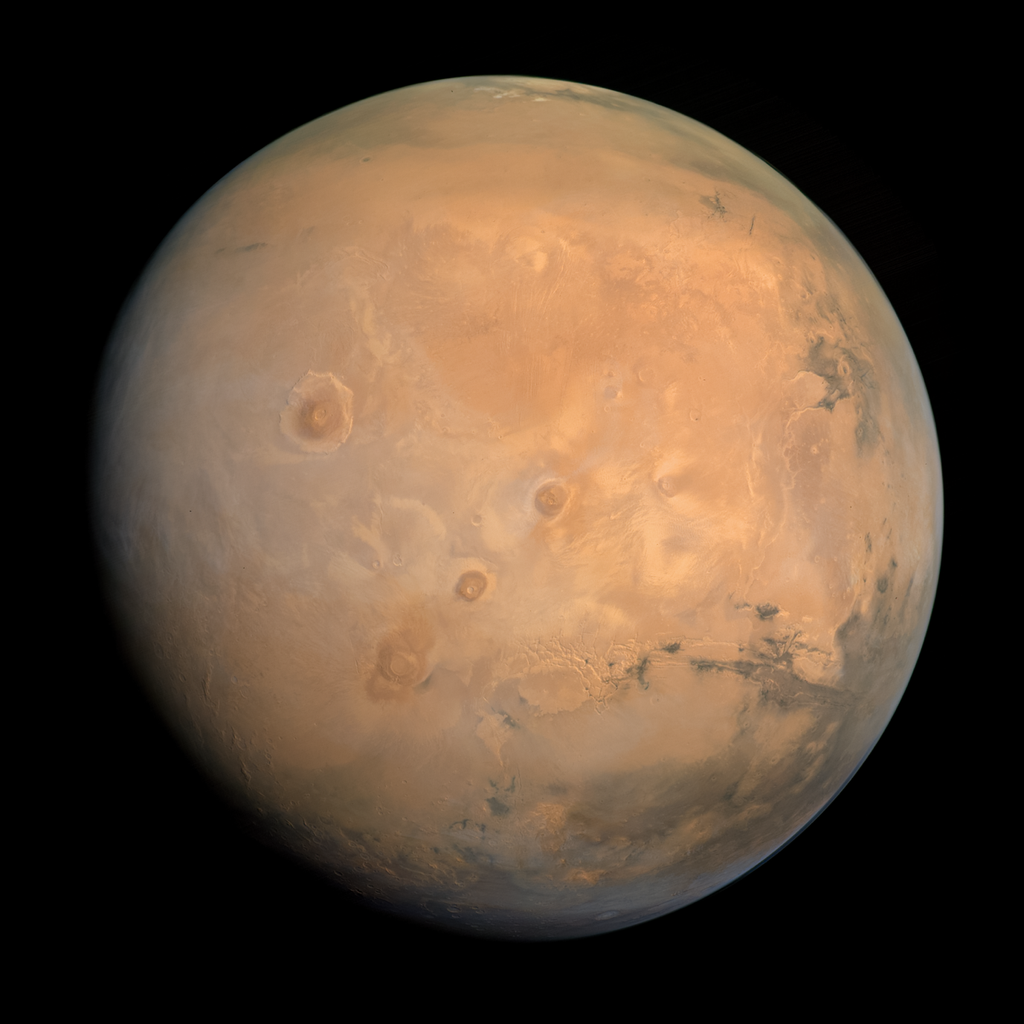
Image credit Kevin M. Gill. This file is licensed under the Creative Commons Attribution 2.0 Generic license.

At 4:41am on 19 October 2026, the Japan Aerospace Exploration Agency (JAXA) launched a trailblazing mission to collect moondust samples from one of Mars’ moons. The mission, if successful, could answer scientists’ most pressing questions about the formation of Mars’ moons and the composition of the red planet.
The Martian Moons Exploration (MMX) spacecraft is set to arrive on the larger of Mars’ two moons, Phobos, in August 2027. Due to the small surface area and irregular potato-shape of the moons, the spacecraft will first send a rover to look for a suitable landing site before eventually landing itself. It will then take a small sample of rock (just 10g) and begin its journey home, marking the first time a sample from Mars or its moons has ever been returned to Earth. Whilst there have been Martian meteorites that have fallen to Earth in the past, these become contaminated as soon as they arrive in our atmosphere.
The MMX spacecraft, weighing approximately five tonnes, was propelled by Japan’s flagship H3 rocket as it lifted off from Tanegashima Space Centre. It is expected to enter Mars’ orbit in August 2027 before returning to Earth in 2031.
However, the mission is not without its difficulties. Professor Sara Russell, the MMX mission’s deputy for sample analysis, explains that whilst the moon doesn’t have much of its own gravity, “it’s next to an enormous planet that’s got a much higher gravity, and that makes it much harder to get a rover onto the surface”. Nevertheless, Russell remains excited about the mission’s prospects; “I think this is an incredibly ambitious and fun mission,” she said.
Scientists believe that the samples will indicate how Mars’ two moons, Phobos and Deimos, were formed. There are currently two competing theories. The ‘giant impact’ hypothesis posits that the two moons were formed from the debris of a collision between a celestial body with Mars’ surface. The ‘capture theory’, however, suggests that the moons are asteroids from the outer solar system that were pulled into Mars’ orbit.
There is also the possibility that grains of Mars may be present in the samples due to Phobos’ proximity to the planet. Impacts on Mars’ surface over the years may have caused particles to be transferred to the moon. If this is the case, scientists will also be able to use the collected samples to get “really direct information about the composition and history of Mars,” said Russell. Such insights would be useful for future missions to Mars, including crewed expeditions, according to NASA.
The mission is an international effort; though it is spearheaded by JAXA, it has involved the collaboration of NASA, the European Space Agency (ESA), the French Space Agency (CNES), and the German Aerospace Center (DLR). The mission has a total estimated cost of $578 million.
Despite this group effort, however, the space industry is not wholly without competition. The US and China are currently racing to be the first to return rock samples from Mars’ actual surface. In 2020, NASA sent the Perseverance Rover to the red planet in order to search for “signs of ancient microbial life”. The rover has already collected samples of Martian rock and regolith (soil and rock fragments), but the Mars Sample Return programme that intended to return these samples to Earth for further study has been halted. This is due to Congress’ compromise spending bill which backed the White House’s effort to kill the programme due to its ballooning estimated cost.
Meanwhile, China has its own Mars sample return mission in the works, with their Tianwen-3 spacecraft scheduled to launch around 2028. This aims to bring back around 500g of samples by 2031, potentially returning before the completion of the Japanese mission.
Alberta Votes to Remain Part of Canada
By Dillon Shukla
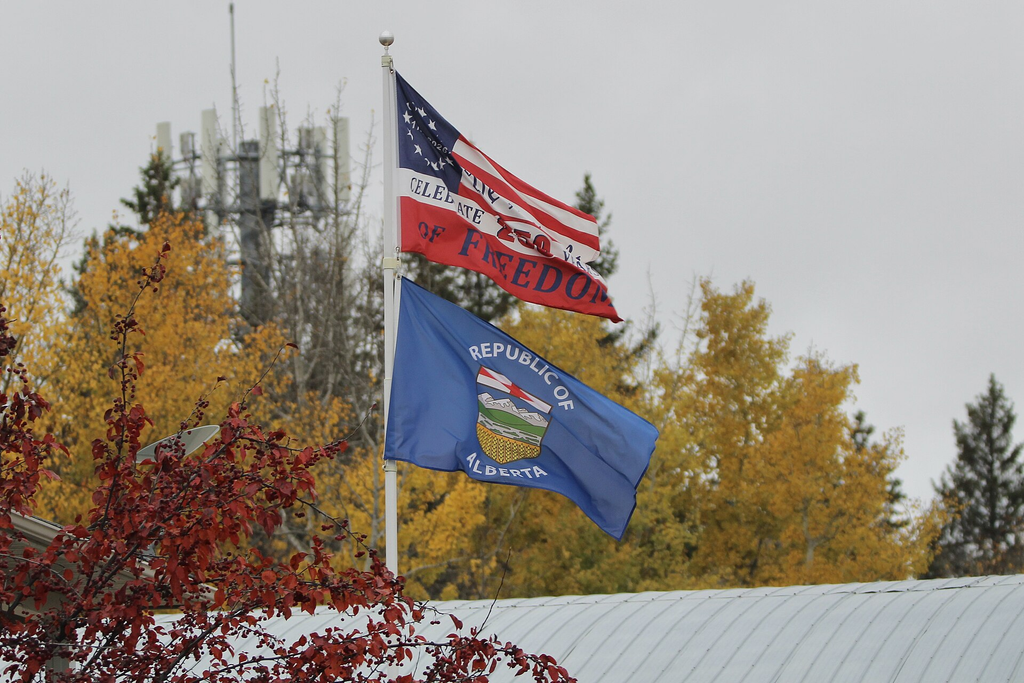
Image Credits: Qwexcxewq. This image is licensed under the Creative Commons Attribution 4.0 International license.

On 19 October 2026, Alberta, one of Canada’s western provinces, voted overwhelmingly to reject a proposal to initiate separation from Canada, with approximately 76% of voters casting their ballots in opposition. Albertan Premier Danielle Smith, who belongs to the United Conservative Party, welcomed the results, stating “a strong Alberta within a united Canada is the position of our party and our government.” Other questions on the same ballot included proposals on immigration, healthcare, and education. The question did not call directly for independence, but rather asked voters whether they wished to hold a binding referendum on independence in the future, as required under the Canadian constitution.
This referendum might appear unexpected, but Albertan separatism has long been a fringe ideology, recently entering the forefront of Albertan politics. Alberta’s political tendencies also contrast Canadian politics as a whole. For example, at the 2025 election, whilst around 41% of Canada voted for the Canadian Conservatives, this figure exceeded 60% in Alberta.
There are multiple reasons for this rise in separatist sentiment. Alberta is extremely energy wealthy, and subsidises poorer parts of Canada. It is the province with the highest GDP per capita in the country, and has an estimated net contribution of C$17 billion per annum. Moreover, the province has not received any equalisation pay, which poorer provinces receive from the federal government, since 1965. This is due to Alberta’s oil sands, which account for around 84% of Canada’s crude oil production. This leads groups such as the Alberta Prosperity Project to argue that it would be better for Alberta to keep this wealth within, rather than have to contribute it to Ottawa, claiming that Alberta would save C$47 billion annually.
On the topic of oil, Alberta is very keen to build oil pipelines to the Pacific Coast, one of the most contentious issues in modern Canadian politics. A major issue arose in 2016 over the Enbridge Northern Gateway pipeline project, when the federal court overturned approval on the basis that indigenous groups were not consulted properly. More recently, Premier Danielle Smith has feuded with Premier David Eby of neighbouring British Columbia, with Eby opposing Smith’s own plans for a pipeline. Unlike conservative Alberta, British Columbia leans more to the left, and is the birthplace of environmental movements such as Greenpeace. These grievances have further fuelled the separatist movement.
Nonetheless, the process of constructing pipelines has not been completely halted. Canadian Prime Minister Mark Carney is keen to reduce dependence on the United States, with Canada sending 90% of its crude oil exports to the States last year. Earlier this month, he announced that the government will fast track approval for a 775 mile pipeline to the Pacific coast. Though pushback from environmental and indigenous groups remains a possibility, the government has gone some way to try to prevent this, offering 10% ownership to indigenous groups, and requiring Alberta to develop the world’s largest carbon capture programme.
American involvement has also been crucial to the push for this referendum. Premier Smith, unlike Prime Minister Carney, is relatively close to President Trump, having visited Mar-a-Lago last January. Whilst opposed to independence, she has labelled independentist grievances as “legitimate”. Senior American figures have also offered some support for independentist sentiment. For example, Treasury Secretary Scott Bessent stated on a podcast that “I think we should let [Alberta] come down into the U.S.,” which is a shocking statement for such a senior official to make about Canadian sovereignty.
Canada has formerly held similar referendums, the most recent being the 1995 Quebec plebiscite, where the majority French speaking province voted very narrowly to remain a part of Canada. It is worth noting that Indigenous groups firmly oppose independence for Alberta on the grounds that indigenous groups have treaties with Canada which are older than the establishment of the Province of Alberta. This issue has similarly arisen in Quebec, where the Canadian Supreme Court ruled in 1998 that Quebec cannot separate from Canada without consulting First Nations communities.
Overall, the referendum was a defeat for separatists. Nonetheless, the fact that around a quarter of votes were cast in favour to begin the process of separation is significant. Carney’s government overall is doing well, holding a 15 point lead over the Conservatives, and 56% of Canadians believe national unity has improved during his rule. However, increased separatist sentiment both in Alberta and Quebec poses a challenge to this.
Asim Munir has a plan for Pakistan
By Guillaume Antignac
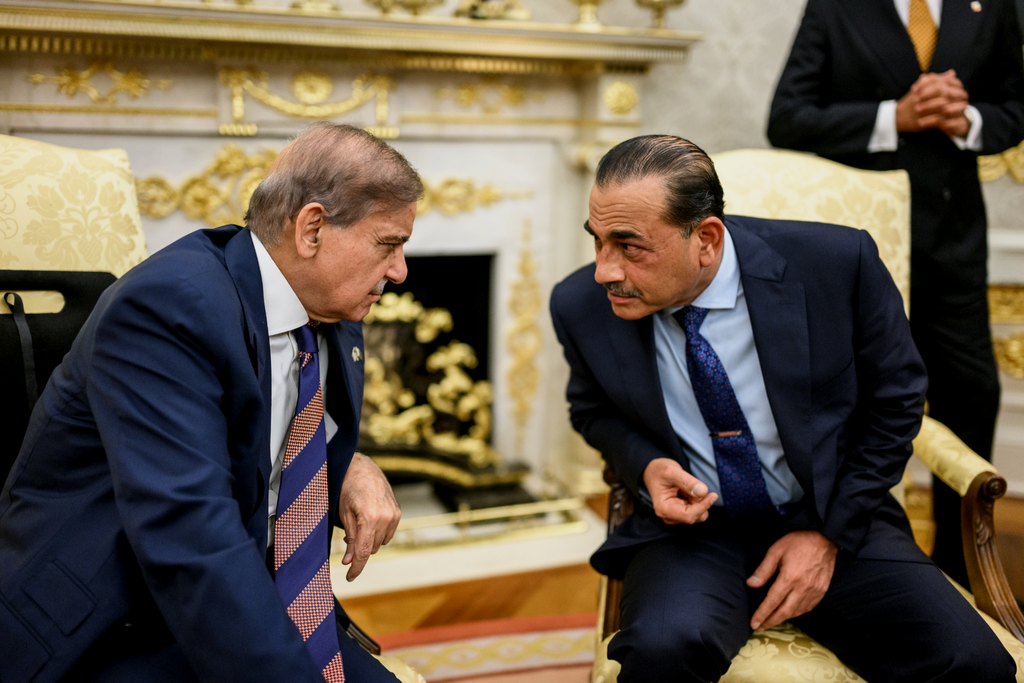
Public Domain CC0. (Official White House Photo by Daniel Torok)
Thousands took to the streets in Lakki Marwat earlier this month, gathering in the northwestern district of Pakistan. The protestors, who were planning a 170-mile march to the capital Islamabad, demanded the release of Imran Khan. An ex-cricketeer turned leader of the Pakistan Tehreek-e-Insaf (PTI) party, Khan was jailed in 2023 following corruption charges.
In response, the federal government declared a state of emergency and subsequently suspended the governing PTI from its only remaining province, vesting authority in the governor. The government claimed the party was deliberately disengaged from fighting terrorism. Yet, to some, this could also be seen as a move to take further control over the provinces of Pakistan, spearheaded by the head of the army, Field Marshal Asim Munir.
Though officially outranked by the President and Prime Minister, Munir has become Pakistan’s de facto leader on foreign affairs since he was appointed head of the army in 2022. Over the last year, Munir has mediated diplomatic negotiations between USA and Iran, and recently also agreed to militarily support Saudi Arabia following Houthi airstrikes.
Notably, he is seen as the architect behind the Memorandum of Understanding which brought a ceasefire between Iran and the USA in June. A flattering relationship with Donald Trump, who has called him a “great fighter” and “extremely influential”, also helps in this regard.
Yet, in spite of international fame, Munir’s reputation in Pakistan is more tentative. A recent report by The Economist claimed he plans to divide Pakistan’s four provinces into smaller states, a controversial move seen as a bid to divest some of the country’s more powerful regions to his own political advantage.
It is the case that some provinces are larger than others, causing problems such as scarcity of basic services, especially drinking water, as well as corruption. Punjab for example, with its ancient city Lahore, has a population of 128 million inhabitants, roughly half the country’s total population. However, a more pressing issue Munir may also be eyeing is Pakistan’s decades-long political dynasties.
In Punjab, the Sharif family has held political influence in the region through its Pakistan Muslim League-Nawaz (PML-N) since 1988 (albeit with a 10-year hiatus in the early 2000s). One of Pakistan’s richest families, the Sharifs have held various political positions at different times, notably current Prime Minister Shehbaz Sharif (pictured above on the left). The family has also faced accusations of corruption, ownership of illegal assets, tax avoidance and money laundering.
Another dynasty, the Bhutto family and its Pakistan People’s Party (PPP), has its stronghold in Sindh, the country’s southeastern region. The Bhutto family also faces corruption allegations. Asif Ali Zardari, Pakistan’s current president, is tied to the Bhutto family through his late wife Benazir Bhutto, the ex-prime minister of Pakistan who was assassinated in 2007.
In the 90s, the families tussled for Pakistan — they have since put their rivalry aside. But governance remains a challenge. Though imprisoned, Imran Khan holds onto his popularity, splitting Pakistanis in the polls. Social unrest, as seen in Lakki Marwat, is a symptom of the failing political dynasties.
Another problem is terrorism and counter-terrorism related violence in Pakistan’s western provinces Balochistan and Khyber Pakhtunkhwa. Over the past summer, almost 2000 casualties were recorded in these regions. On a national level, Pakistan has seen an 83% surge in deaths between July and September.
Constitutional amendments over the past year have reorganised control over military branches under Munir’s command. This could be seen as an effort to tackle terrorism, especially in the context of ongoing conflicts with Afghanistan and more recently, a Tehreek-e-Taliban Pakistan (TTP) insurgency in September.
By amending elements of Pakistan’s constitution, Munir has also centralised more federal power in the hands of the military. This makes him well positioned to sidestep the families and try to pass a national referendum to push through his vision of Pakistan’s political map.