


Nestled between a copy of New Directions and Seamus Heaney’s Beowulf on my rickety bookshelf sits a conspicuously battered black journal. I’d brought it to Oxford last term in the vain hope that I’d continue the habit of journalling I picked up during the summer holidays – in the end, life got in the way. Nevertheless, since I got back from the summer interrailing trip I spent scribbling in it at pretty much every opportunity, I’ve encouraged anyone who’ll listen to start their own travel journal.
Like many of my fellow English students, I discovered my love of writing at an early age. In the garden; at the dinner table; in bed under the covers; I wasn’t hampered by the self-consciousness about originality or relevance that seems to plague us writers as soon as we reach secondary school. I just, well, wrote. It was a creative outlet I took for granted for much of my life, until it finally dried up in the face of the joy-killer known as A-Level exams. After three months of feverish work, I sat down at my laptop eager to get back to one of my favourite hobbies, and, well, nothing. My Word document remained bafflingly empty.
And so I found myself starting my travel journal as a last-ditch attempt at restarting my creative career. If I couldn’t come up with anything myself, surely the seven European cities I’d be visiting by train over the next two weeks would provide a smidge of inspiration. Little could I know, of course, how much my own life and relationships would end up stealing the spotlight I’d intended to shine on medieval churches and the Old Masters.
I’m sure everyone who’s tried journalling knows how awkward it can feel at first. Writing anything in the first person felt agonising after being drilled on ‘appropriately tentative language’, and I was paralysed by a need to write about something important. Looking back at my early entries now, I have to fight back the urge to cringe at my more flowery descriptions of what were, in reality, rather tedious landscapes. Given that I’d set myself the relatively achievable goal of at least a page per train journey, some of the only offline downtime I’d have on my trip, I really did write a lot about landscapes…
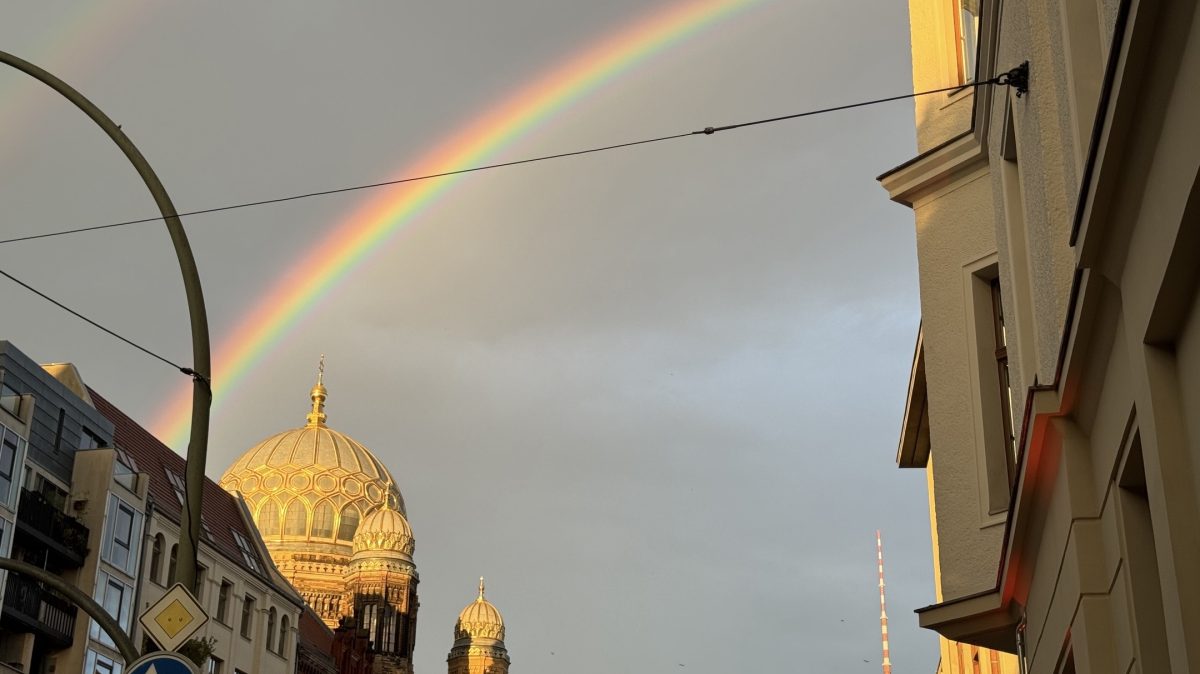
Despite the touch of cringe, this brings me to the first really useful lesson I learned from my travel journal: the value of imperfect writing. Whether it was fatigue from early checkout, my friends’ probing to put that book away and help them find club tickets, or just a truly awful hangover, it’s safe to say my later entries saw less and less effort than their high-minded predecessors. Paradoxically, it’s some of these more perfunctory entries that helped me get over my creative rut the most. There’s nothing like a group of hungry eighteen-year-olds who’ve just been caught in a Berlin rainstorm to keep your writing concise, and miles away from worries about being derivative.
In fact, far from being derivative, I’d argue this kind of mindless writing made me more aware than I’d felt in months of the idiosyncrasies of my own voice. That’s another lesson I think we could all use, especially when it feels like social media provides a constant opportunity to drown out our thoughts with an easy stream of content. Having to sit with my thoughts, trivial or difficult or just plain boring, and dwell on them long enough to commit to paper, was an experience that I’d grown totally unfamiliar with. This sense of discomfort with our own brains is definitely something I’d say a lot of young people these days struggle with; journalling might not be a magic cure, but I certainly found it more helpful than the void of YouTube Shorts.
Despite the apparently unavoidable introspection required by the medium of a journal, I became less attached to ‘perfect’ entries and my focus naturally drifted away from overt navel gazing. The meditations on cultural difference I’d taken hours to pen in Amsterdam bled away completely by the time we reached Prague and Budapest. Taking their place was everything from jabs at my interminable summer reading list, tidbits of gossip about other groups (only from reputable sources, of course) and the occasional secret whinge about my travelling companions’ noisy alarm clocks and late-night showers. This slip from the monumental to the mundane was as immensely liberating as you can expect it to be; no longer did I agonise about whether to describe the mist as ‘veiling’ or ‘cloaking’ the hills outside Belgrade. It was, refreshingly, just mist.
To those who left creative writing behind at English GCSE, I’m aware this kind of harping on about finding my voice might seem slightly inapplicable. However, I really do feel that even if you have no ambitions at all (as I did) to use journalling to relaunch a pre-existing love of writing, there’s still immense value to be found in the experience. Getting to know yourself, letting go of anxieties about whether your perspective matters, and leaving behind the urge to second-guess – these are all things us Oxford perfectionists could do with a little more of.
So, I urge you, whether it’s your five-minute morning bus ride or an eight-hour long-haul flight, consider pulling out a journal instead of your laptop, and giving writing a go. Who knows what could happen? One day, you might even find yourself confident enough to pick up a commission for the Oxford Blue…