



Over 40 million people in the UK can drive. With that many vehicles on the road, the risk of accidents occurring is bound to increase, especially when people don’t follow the rules or drive safely. In this guide, we will look at some common driving quirks among British drivers and how to overcome these.
Confidence vs reality
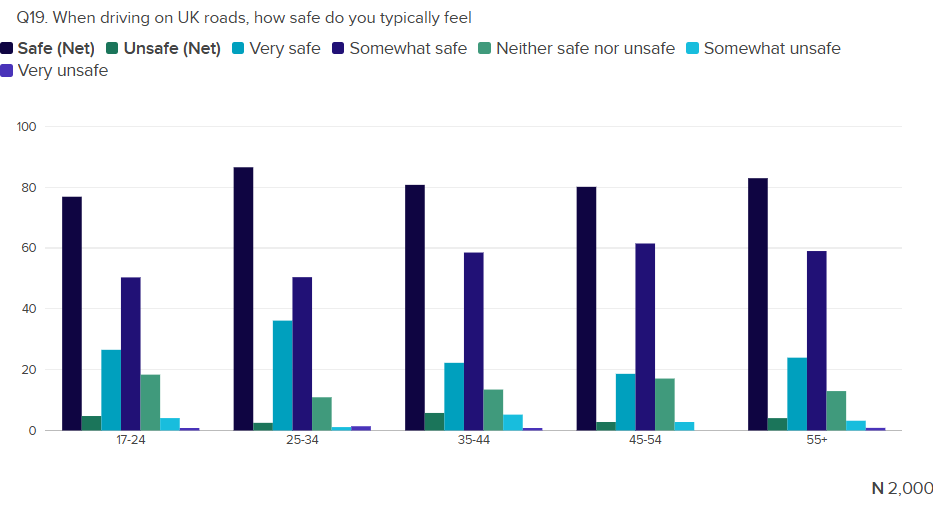
Confidence is not all you need to be a safe driver. Statistics show that although male drivers are more confident on the road, they are involved in a higher number of fatal collisions compared to women. This goes to show that confidence doesn’t always match reality.
Overconfidence can lead to people taking unnecessary risks or failing to notice dangers, which in turn leads to an increase in people claiming compensation for road traffic accidents. By consistently adhering to driving laws and minimising distractions, you can make your reality safer.
Age
Most older drivers, aged 70+, are confident in their driving ability. They believe they are safe drivers, despite accounting for 22% of driving-related fatalities. It’s important to visit your doctor regularly to check your cognitive health and vision, as well as the potential side effects of any medication you are taking. This is essential for safe driving. If you feel your health is affecting your driving, it might be time to stay off the roads for good to keep other road users safe.

Road knowledge
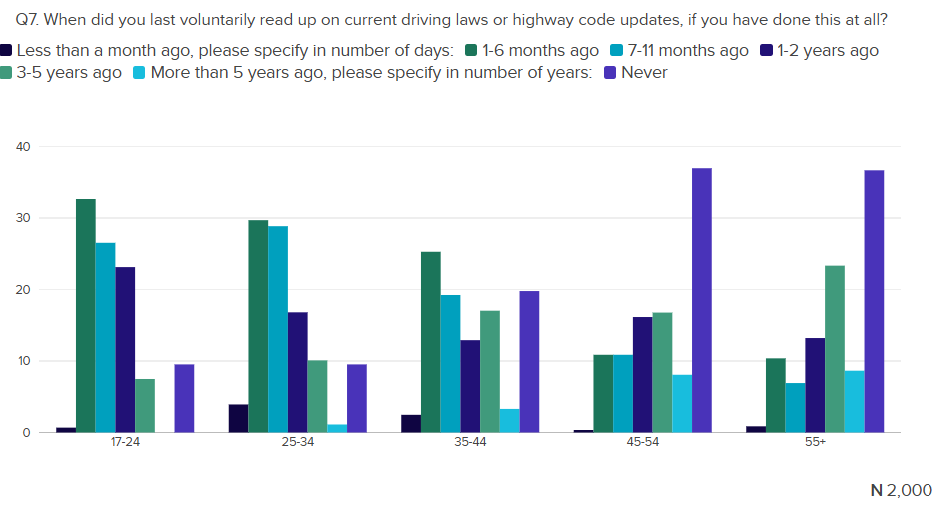
Rules of the road are constantly updated. It is important that you are on top of these changes as a UK driver. While 84% of people know they should be keeping on top of Highway Code updates, National Accident Helpline found that only 27% actually do. Younger drivers are 3x more likely to know about any changes than those over 55, but interestingly, those who stay updated are less confident.

Regularly check the Highway Code page on the official government website and follow its social media pages. There’s also an app you can download that includes a search facility, making it easy to read around rules you’re unsure about.
Tech reliance
While more than half of people assume they’d pass a practical test today, 48% admit relying heavily on driver-assistance tech, such as reversing cameras (which aren’t allowed on tests under any circumstances).

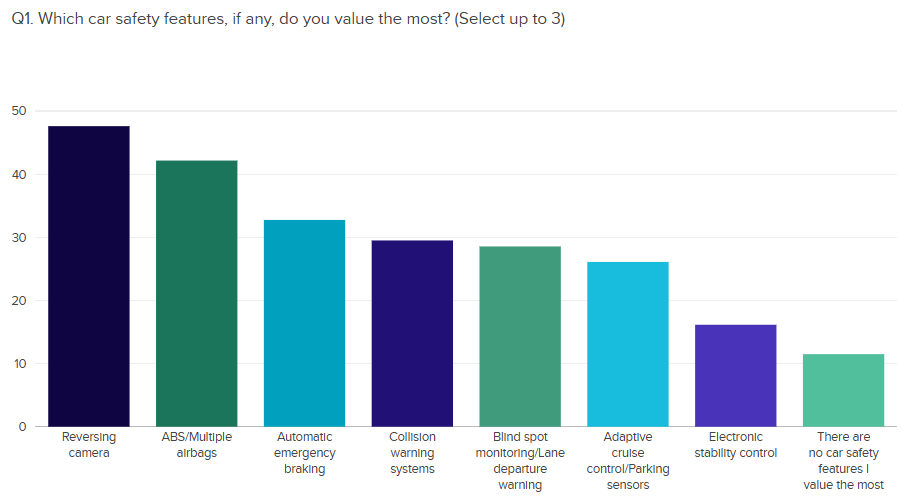
This is not to say technology is always a hindrance. It is always evolving, with things like self-driving cars revolutionising the industry. Technology has some real benefits for drivers, including:
- Helping gauge distance: Parking sensors and adaptive cruise control help measure gaps and maintain safe following distances.
- Check blind spots: Blind spot monitoring alerts drivers to vehicles they can’t see in mirrors.
- Stay within lanes: Lane keeping assist and lane departure warning prevent drifting out of lanes.
- Emergency brake: Autonomous emergency braking automatically stops the car to avoid collisions.
In conclusion, understanding how everyday driving behaviours contribute to wider safety outcomes helps place individual choices in context. When more drivers acknowledge these patterns and respond thoughtfully, it eases pressure on emergency services, lowers accident rates, and creates safer spaces for everyone who shares the road.