



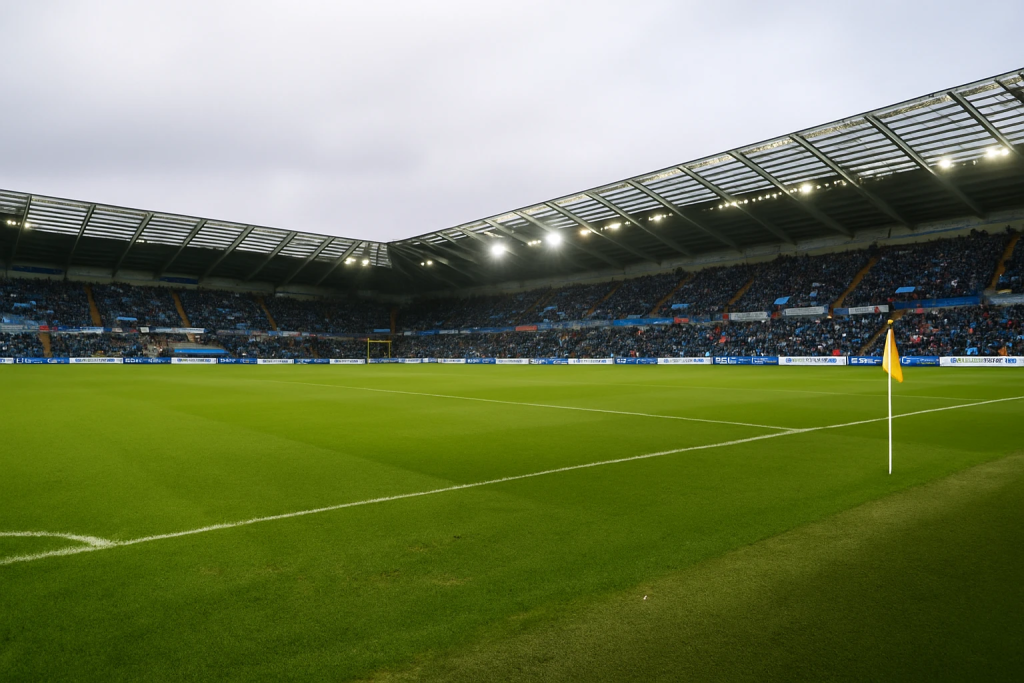
Oxford United face an important challenge on December 6 as they travel to Wales for a meeting with Swansea City — a match that carries weight for both sides as they look to steady their form heading into the winter period. With contrasting styles, different expectations, and plenty at stake, the upcoming fixture has drawn interest from supporters who are eager to see how Oxford will respond to recent performances.
These two clubs don’t meet often, but when they do, the matchup tends to reflect a clash of philosophies: Swansea’s preference for structured play and controlled possession, and Oxford’s more direct, high-work-rate approach. With the season beginning to take shape and the schedule growing tougher, this December fixture offers Oxford a valuable opportunity to demonstrate resilience, identity, and ambition.
Supporters looking for an early read on the match have already begun reviewing previews and predictions. According to NerdyTips.com, the meeting offers several interesting dynamics, particularly concerning form, tactical matchups, and how both sides have handled recent defensive and midfield challenges. While prediction cannot remove uncertainty, it does provide a clearer picture of what each team brings into the contest.
A Look at Swansea: Possession, Patience, and Control
Swansea’s main strength has long been their ability to keep the ball, circulate possession, and force opponents to defend for extended stretches. When the Welsh side settle into their rhythm, they can dictate the pace of the match, especially at home. Their passing sequences often stretch opponents horizontally, opening space for quick movements in the final third.
However, Swansea have also shown vulnerability when rushed or pressed aggressively. In matches where opponents disrupt their flow, Swansea can struggle to maintain tempo or create high-quality chances. This inconsistency has been part of their story this season: one week composed and commanding, the next showing lapses that allow opponents back into the game.
Against Oxford, Swansea will likely try to slow the match down, impose their preferred style, and use home advantage to control the middle of the pitch.
Oxford United: Work Rate, Discipline, and Determination
Oxford arrive with a very different blueprint. Their success this season has come from energy, directness, and collective organisation. When they move quickly in the transition and link midfield to attack with urgency, they can cause real problems for teams that rely heavily on possession.
A key part of Oxford’s identity has been their willingness to adapt. When needed, they can sit deeper, absorb pressure, and wait for openings. But they are equally capable of pushing forward in numbers when the moment is right. Their transitions often come from winning second balls and breaking through wide channels — an area where Swansea have occasionally struggled this year.
Oxford’s biggest challenge will be dealing with Swansea’s passing sequences. If they can disrupt early phases of buildup and avoid long stretches without the ball, they will give themselves a real chance to control parts of the match.
Recent Performances: What They Suggest
Neither club has enjoyed perfect consistency lately, but their patterns of play still reveal key clues about the December 6 meeting.
Swansea
- Tend to perform stronger at home
- Possession-oriented but sometimes lack final-third precision
- Vulnerable when pressed aggressively
- Rely heavily on control of midfield tempo
Oxford United
- Dangerous when transitioning quickly
- Strong collective work rate
- Can be exposed if stretched too wide defensively
- Often grow into matches rather than start fast
These traits suggest a match where momentum could shift multiple times. Swansea may dominate early phases, but Oxford have shown they can settle into games and create danger once they adjust to the opponent’s rhythm.
The Tactical Contrast
This fixture is intriguing precisely because of the differences between the two sides:
1. Midfield Territory
Swansea want long spells on the ball. Oxford want to disrupt the flow. Whoever controls the central areas will shape the match’s tempo.
2. Pressing vs Patience
Oxford’s pressing intensity could unsettle Swansea’s buildup. If Swansea bypass the press, they could find space between the lines.
3. Transition Speed
Oxford will look to strike quickly after regaining possession — a potential weak point for Swansea’s defensive recovery.
4. Set Pieces
Both teams have relied on set pieces in tight matches. A single well-executed moment could decide the game.
5. Late Momentum
Oxford have often pushed harder in second halves, while Swansea sometimes fade when unable to maintain control.
What’s at Stake for Both Clubs
For Swansea, a strong home performance would help stabilise their league position and restore confidence in their style of play. A win would reinforce their identity and give the supporters a sense that the team is moving in the right direction.
For Oxford, the match represents an opportunity to make a statement away from home. A positive result in Wales would demonstrate resilience and tactical maturity, proving they can compete effectively against possession-focused sides. It would also boost momentum ahead of a demanding December run.
Final Expectations
This match may not have the global spotlight of a top-six Premier League clash, but for Swansea and Oxford supporters, it might be one of the most revealing fixtures of the winter. With two contrasting styles, both sides have clear pathways to victory — and clear risks if they lose control of key areas.
Expect Swansea to try to slow the match down and build patterns of play. Expect Oxford to challenge them physically and look for quick openings going forward. Expect moments of pressure on both ends and stretches where either team could seize control.
More than anything, expect a competitive match shaped by rhythm, transitions, and determination — the kind of meeting that often becomes more dramatic as the minutes pass.