
Özge Lena reflects on growth and regrowth across the eternities of the universe.
Silene Stenophylla
Just like you, permafrost hides
life. In Siberia, scientists find flower
seeds in the burrows of frozen squirrels
that lie between thick mammal teeth.
The Arctic is the paradox of brutal hope.
Look, even extinction has something
to give. Even a thirty-two-thousand
year-old flower from the ice age
can bloom, why wouldn’t you?
Deaf Things
I walk among deaf things,
the sea, a stump, scavengers,
parents. I tell them about the words,
how they grow in me until dawn,
how the limbs of their letters
hurt my throat. I tell them a secret
about myself, an ember floating
inside me, carrying the amorphous shape
of a poem. But I see everyone’s ears
melt like icicles under sunlight,
so I stop singing, and I cut
an apricot in two, throw it down.
Each half falls on the sand
like an ear. I watch sentences bloom
around me like rare flowers
in radiant colours that no one
has seen before. I pluck them
one by one to layer petal
upon petal on the silent pages.
Self-Portrait as a Blue Lobster
A lobster can drop a bright blue claw and go on
like nothing has happened. Meanwhile other lobsters
will feed on that claw—that’s how life circulates
to recreate itself by still sliding in the darkest saltwater,
carrying an absence. Now it looks like one-clawed
imperfection, but before long it’ll be bluer than ever.
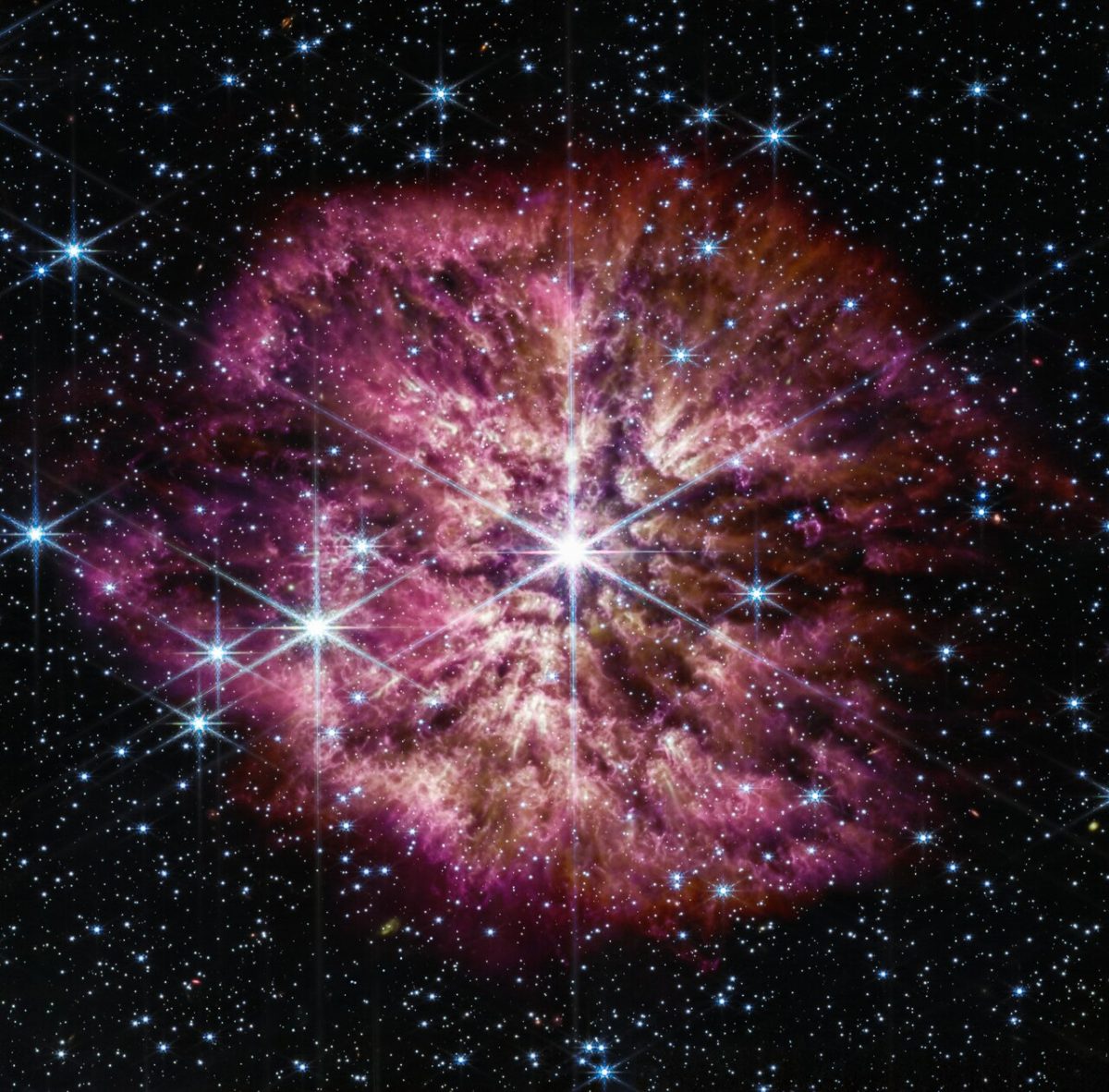
Supernova
Behind the cumulus
of carbon, the Sun goes
extinct. The Earth turns
achromatic in silence.
Pallid people of a sea town
become plastic insects
wearing gas masks.
Neon beams of a lighthouse
from a cliff invite them
to LIVE by flashing
four letters in Morse code.
Still they know how
impossible it is to live
and grow without dying first:
even a star must collapse
to bloom into a supernova,
becoming billions
of times brighter than the Sun.