


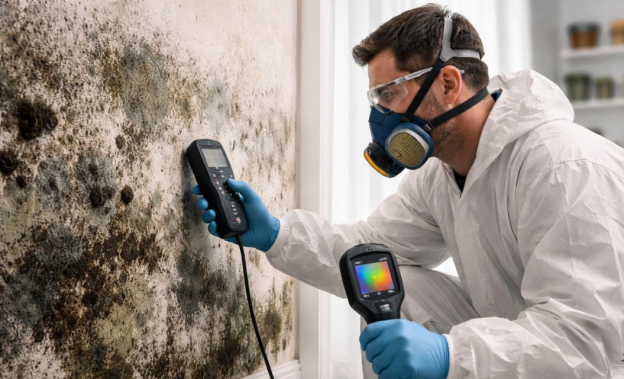
Several factors contribute to fast mold growth. High humidity levels create the perfect environment for mold. Water leaks from pipes, roofs, or appliances provide a constant moisture source. Poor ventilation traps damp air indoors, especially in areas like bathrooms, kitchens, and basements.
Because mold spreads silently, a small patch can quickly turn into a widespread issue if not addressed early.
Early Signs of Mold You Should Never Ignore
Before mold becomes visible, your home often gives warning signs. Recognizing these early can help you take action before the situation becomes serious.
A musty or damp smell is one of the most common indicators. You may also notice discoloration or dark spots on walls, ceilings, or corners. Peeling paint or wallpaper can signal hidden moisture behind surfaces. In some cases, people experience allergy-like symptoms such as sneezing, coughing, or itchy eyes.
Ignoring these signs allows mold to grow unnoticed, making it harder to control later.
What to Do If You Find Mold in Your Home Before It Spreads
Taking immediate action is essential. The following steps will help you manage the problem effectively and prevent further spread.
Step 1 – Inspect the Area Carefully
Start by assessing the extent of the mold growth. Look beyond the visible area and check nearby surfaces. Mold often grows in hidden spaces such as behind furniture, under carpets, inside cabinets, and around plumbing fixtures.
If the affected area is small, you may be able to handle it yourself. However, if the mold covers a larger space or appears in multiple areas, professional help is recommended.
Step 2 – Stop the Source of Moisture
Mold cannot survive without moisture. Identifying and fixing the source of moisture is the most important step in controlling mold growth.
Check for leaking pipes, roof damage, condensation buildup, or poor drainage. Even small leaks can create enough moisture for mold to thrive. Repairing these issues immediately prevents the problem from worsening.
Without addressing moisture, any cleaning efforts will only provide temporary results.
Step 3 – Protect Yourself Before Cleaning
Before attempting to clean mold, make sure you take proper safety precautions. Mold exposure can irritate the skin, eyes, and respiratory system.
Wear gloves, a protective mask, and eye protection. Avoid direct contact with mold, and do not inhale spores. If you have allergies or asthma, consider avoiding direct involvement and seek professional help instead.
Step 4 – Clean Small Mold Areas Properly
If the mold is limited to a small area, you can clean it using safe methods. Use a suitable cleaning solution and gently scrub the affected surface. Avoid using excessive water, as it can worsen the problem.
It is important not to simply cover mold with paint or sealant. This does not remove the mold and allows it to continue growing underneath. Always clean and disinfect the area thoroughly.
After cleaning, dispose of any contaminated materials safely to prevent spreading spores to other parts of your home.
Step 5 – Dry the Area Completely
After removing mold, drying the area is essential. Moisture left behind can quickly lead to regrowth.
Use fans, open windows, or a dehumidifier to ensure proper drying. The area should be completely dry within 24 to 48 hours. Pay special attention to corners, cracks, and hidden spaces where moisture can remain trapped.
Step 6 – Consider Professional Residential Mold Remediation
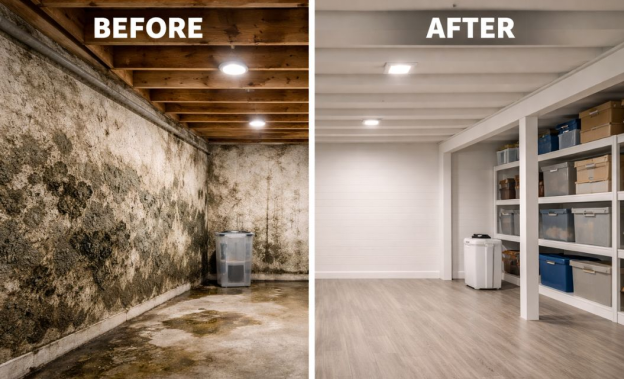
If the mold problem is extensive or keeps returning, it is best to call professionals. Experts in residential mold remediation have the tools and knowledge to handle complex situations.
They use advanced equipment to detect hidden moisture, contain affected areas, and remove mold safely. In cases involving flooding or leaks, services often include water damage and mold remediation to fully restore the home.
Professional intervention ensures that the problem is resolved completely and reduces the risk of recurrence.
When Should You Call a Professional?
Knowing when to seek professional help can save time and prevent further damage. You should consider hiring experts if mold covers a large area or if it keeps coming back after cleaning.
Strong odors, visible growth inside walls or ceilings, and signs of structural damage are also indicators that professional remediation is needed. Homes that have experienced flooding or significant water damage require specialized treatment.
Delaying professional help can allow mold to spread deeper into your home, increasing repair costs.
DIY vs Professional Residential Mold Remediation
DIY mold removal is suitable for minor issues where the affected area is small and easily accessible. It is a cost-effective solution for early-stage problems.
However, professional remediation is necessary for larger or hidden mold infestations. Experts can identify the root cause, ensure complete removal, and improve indoor air quality. They also take measures to prevent cross-contamination during the process.
In many cases, what appears to be a small issue on the surface may be much larger behind walls or under flooring.
How Fast Mold Spreads in a Home
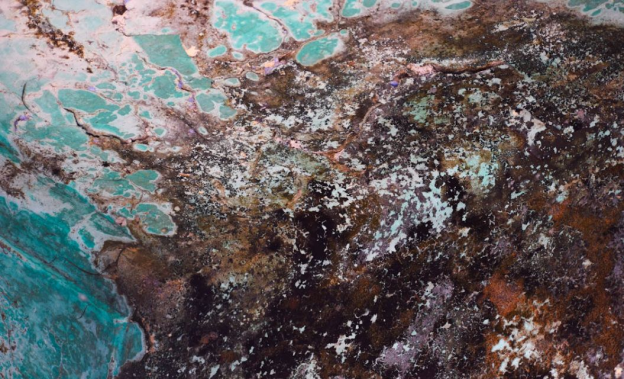
Mold growth can begin within one to two days under the right conditions. Once established, it spreads quickly across surfaces and into hidden areas.
Humidity levels above 60 percent significantly increase the risk of rapid growth. Warm temperatures and poor ventilation further accelerate the process. This is why immediate action is critical when mold is discovered.
Health Risks Associated with Mold Exposure
Mold exposure can have various health effects, especially with prolonged contact. Common symptoms include coughing, sneezing, skin irritation, and difficulty breathing.
People with allergies, asthma, or weakened immune systems are more vulnerable. In severe cases, mold exposure can lead to chronic respiratory issues.
Maintaining a mold-free environment is essential for overall health and well-being.
How to Prevent Mold from Returning
Preventing mold is easier than dealing with an infestation. Keeping your home dry and well-ventilated is the most effective strategy.
Fix leaks as soon as they occur and monitor humidity levels. Use exhaust fans in kitchens and bathrooms to reduce moisture buildup. Regularly inspect areas prone to dampness, such as basements and attics.
Cleaning and maintenance play a key role in preventing mold growth. By staying proactive, you can protect your home from future problems.
Cost of Residential Mold Remediation
The cost of residential mold remediation varies depending on the severity and location of the problem. Small areas may require minimal expense, while larger infestations can be more costly due to extensive repairs.
Factors influencing cost include the size of the affected area, the type of materials involved, and whether the mold is visible or hidden. Early detection and treatment can significantly reduce overall costs.
Investing in proper remediation ensures long-term protection and peace of mind.
Conclusion
Understanding what to do if you find mold in your home before it spreads is essential for protecting both your property and your health. Mold can grow quickly, but with the right approach, it can be controlled and eliminated effectively.
By identifying moisture sources, taking immediate action, and using proper residential mold remediation techniques, you can prevent a small issue from becoming a major problem. When necessary, professional help ensures complete removal and long-term safety.
Acting early is the key to success. The faster you respond, the easier it is to stop mold from spreading and maintain a clean, healthy living environment.
FAQ
Can mold in my home spread quickly?
Yes, mold can spread within 24–48 hours, especially in damp areas. Immediate action and proper residential mold remediation are essential to prevent further damage.
What should I do first if I find mold?
Stop the source of moisture immediately, isolate the area, and take safety precautions. Small patches can be cleaned, but larger infestations require professional remediation.
Is mold dangerous for my family?
Mold exposure can cause respiratory problems, allergies, and skin irritation, particularly for children, elderly individuals, or those with weakened immune systems.
Can I handle mold removal myself?
Small, visible mold areas can be cleaned safely using proper precautions, but professional residential mold remediation is recommended for large or hidden infestations.
How can I prevent mold from coming back?
Maintain low humidity, fix leaks immediately, improve ventilation, and schedule regular inspections to detect moisture or mold early.