
Roughly 1,000 pubs have banned Labour MPs from their premises, revealing something about the state of British politics. When landlords resort to gestures as dramatic as this, it suggests a frightening breakdown in the normal channels of democratic dialogue. After mounting pressure, Rachel Reeves’s climbdown on business rates for pubs has prompted legitimate questions about fairness and consistency.
With the phasing out of the Covid-era financial support, hotels could face rate increases of 115% over the next three years, and pharmacies, 140%. Independent retailers, music venues, and leisure centres are all forced to confront very similar, brutal realities. Pubs, however, will benefit from softened rate increases. Should they receive this special treatment? Yes.
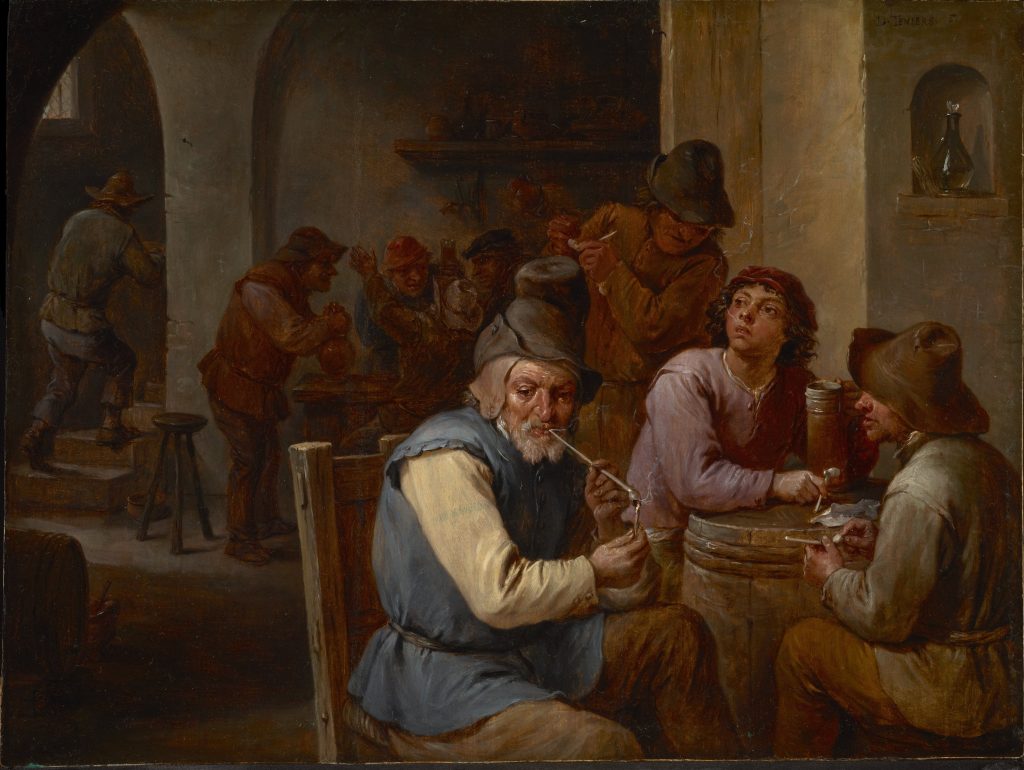
I think the answer to this question lies far deeper than economics, and is more a matter of civic function. Pubs are entirely unique in the position they occupy within British culture. A position which is not — and I don’t believe could ever be — occupied by other businesses. They are among the last genuinely mixed spaces in an increasingly segregated society; places where individuals of different ages, beliefs, and backgrounds can come together. While other businesses serve customers, pubs manufacture communities.
So much more than places to have a pint, pubs foster democratic debate, heart-to-heart conversation, and are a genuine ‘third place’. Friendships form across divides that would be insurmountable in other settings. Romances blossom over shared frustration at pub quizzes. These are special locations where divisions — even if only temporarily — dissolve. The secular parallel to a church, the pub is the nucleus of a settlement. The difference is that pubs, unlike churches, attract and welcome individuals across the full spectrum of beliefs and backgrounds. They remain genuinely inclusive in ways that other institutions do not.
These benefits aren’t merely theoretical. They are clearly evidenced in the lower crime rates and greater social engagement that is exhibited in rural communities with a local pub.
As I hope I have made clear, I strongly believe in the importance of pubs. In fact, I think they are approaching ‘our’ status, in the same way that we refer to ‘our NHS’. They need to be protected. I do not, however, wish to see other businesses fail. The slow and painful death of the high street has been a sad thing to witness in my lifetime. Undoubtedly, we need pharmacies, hotels, and independent shops, but policy must sometimes recognise that there are institutions that serve functions beyond their immediate commercial purpose.
The government’s intervention may lack perfect consistency, but it reflects an awareness that some things matter more than pure market logic, and not all value is entirely quantifiable. If we lose our pubs to the accountancy of business rates, we lose far more than just a place to drink beer.