
Ramadan, the holiest month in the Islamic calendar, began late February of this year. Fasting during this month (sawm) is a core religious duty alongside declaration of faith, prayer, charity, and pilgrimage. With 2 billion Muslims worldwide, the vast majority fast during Ramadan if they are physically able and not exempt. Families and communities tend to gather to break their fast at iftar.
For many of our students, however, Ramadan in college is the first time they will be spending this sacred time of the year away from their families. The University of Oxford has not published figures for the number of Muslim students currently enrolled, but according to the 2021 Census, Muslims make up 8.7% of permanent residents in the City of Oxford.
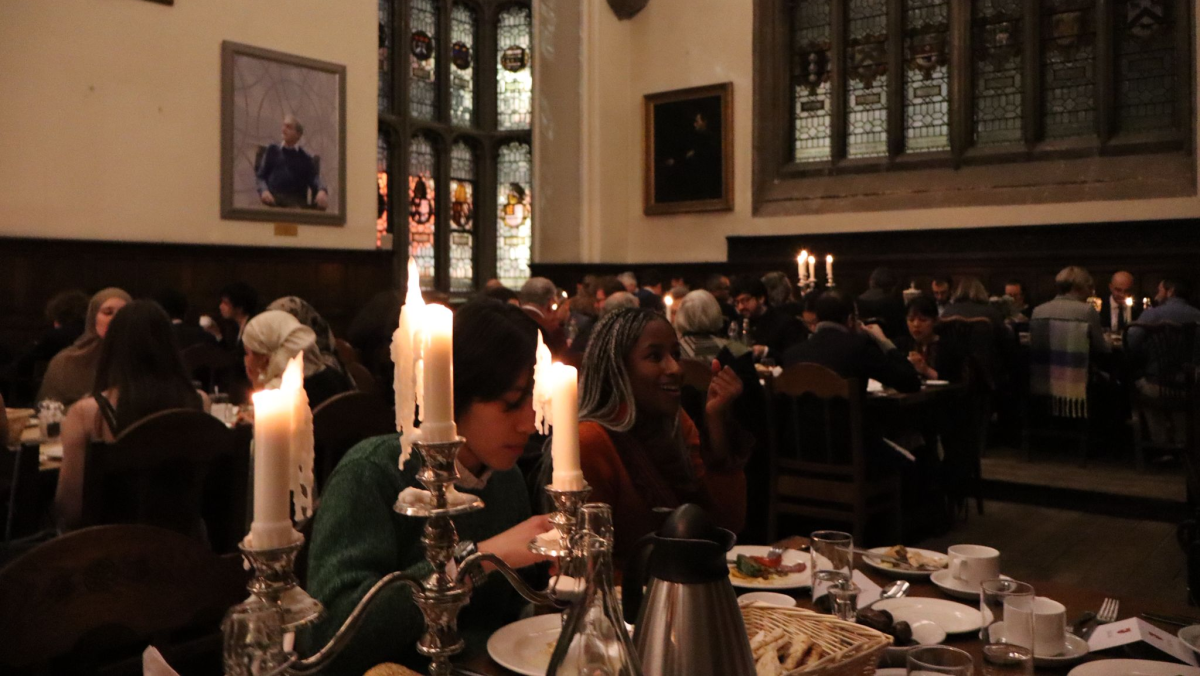
Wadham College has a student body of 400+ – with approximately only 17 Muslim students. This year, Muslim students, SU People of Colour and Racial Equality Officers, and Tutor for Race, Shazia Choudhry, organised Wadham’s first Interfaith Ramadan Iftar Formal, which took place on Friday, 20 February.
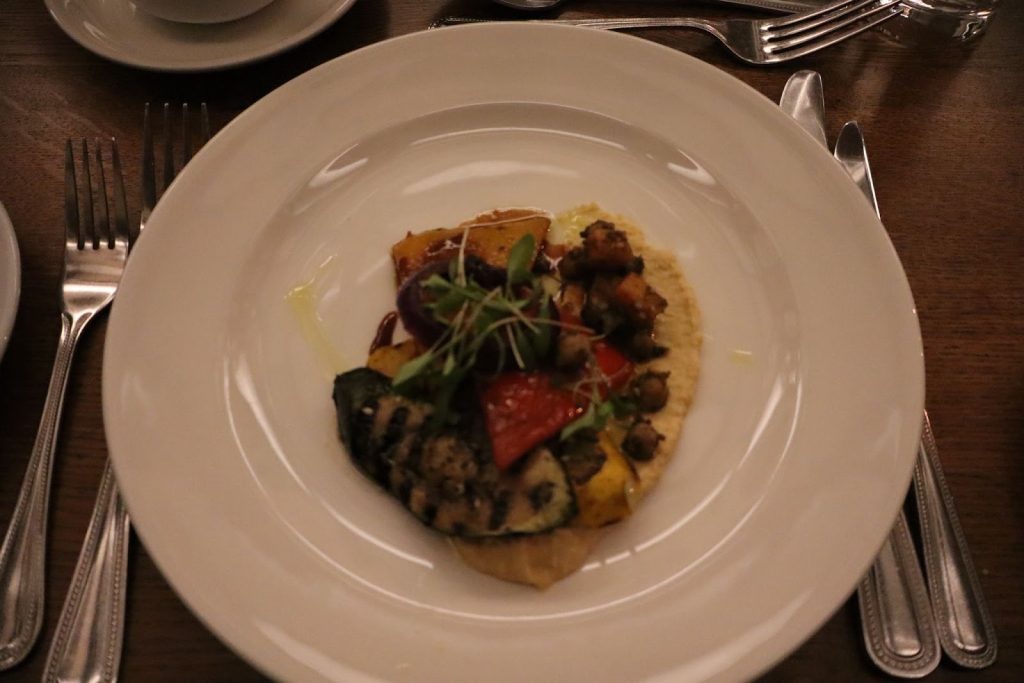
The menu differed in that there was no alcohol served, and dates -which Muslims commonly initiate the breaking of their fasts with- were available. Before the formal, Muslim students had the opportunity to pray the Isha prayer, the last of the five daily prayers, in the LSK Seminar room. To initiate the formal, speeches were given about the spiritual essence of Ramadan beyond merely abstaining from eating and drinking.
One attendee noted that “As one of the few Muslims at Wadham I felt excited that Wadham was holding a Ramadan formal and the evening did not disappoint. A heartfelt speech was given by one of the Muslim students here. In that moment, seeing everyone stood up listening to what it really means to be a Muslim student at Oxford, especially during Ramadan, made me feel a sense of pride. I hope that it brought a fresher understanding to the meaning of Ramadan for those who attended.”
Others shared how important these events are for fostering understanding between students at Oxford. They said, “These kinds of events really help as it allows people who might not normally have had a chance to partake in new cultures [to do so]. It also really creates a spirit of community amongst Oxford students”. It was noted that ”Events like these create a community for Muslim students and gives us space for our religion and beliefs.”
When asked whether events like this should be more common in college life, students said, “Yes – it makes minorities feel heard, accepted, and loved. It’s nice when other people share something that’s important to you.” They reflected that “There should definitely be more events like this, since it would create a more inclusive environment for all.”
Wadham College believes that the event has deepened students’ understanding of Ramadan and Islamic traditions. In an Instagram post, the College said, “Thank you to our SU People of Colour and Racial Equality Officers and Tutor for Race for organising Wadham’s first Interfaith Ramadan Iftar Formal. The event was both a meaningful religious observance for our Muslim members of the College and an inclusive opportunity for the wider community to learn about and engage with Ramadan traditions. We hope it will be the first of many interfaith celebrations at Wadham.”
To describe the atmosphere of the evening in 3 words, students said: “Heartwarming, friendly, peaceful”; “uplifting, celebratory and warm”; “Open-minded, peaceful, friendly”; “welcoming, genuine and inclusive”; and “Lowkenuinely so surreal – feels like Muslims are finally making it in more renowned circles”.
But, more broadly, what does this sacred month mean to Muslim students personally? Attendees said, “Ramadan is about coming together as a community, and about gratefulness and gratitude for things we often take for granted.” Others reflected that “Ramadan is about obedience and submitting yourself to a higher power. It allows us to become the best version of ourselves.”