

Neuro-oncology is a specialized branch of medicine that focuses on the diagnosis and treatment of tumors affecting the brain, spinal cord, and nervous system. These conditions can be complex and often require the expertise of multiple specialists working together to provide the best possible care. When patients or families hear the term “brain tumor” or “spinal tumor,” it can bring fear and uncertainty. However, with advances in modern medicine and access to the Best Neurosurgeon, patients today have more effective treatment options and better outcomes than ever before. Understanding neuro-oncology can help patients and families make informed decisions and feel more confident during the treatment journey.
What Is Neuro-Oncology?
Neuro-oncology is the medical field dedicated to studying and treating tumors that develop in the nervous system. This includes tumors in the brain, spinal cord, and surrounding nerves. Some tumors originate directly in the brain or spine, while others spread from cancers in other parts of the body.
Neuro-oncology involves a collaborative approach to patient care. Specialists from different medical disciplines work together to diagnose and treat tumors using a combination of surgery, medication, radiation therapy, and advanced technologies. Because the brain and spinal cord control essential functions such as movement, speech, and memory, treatment must be carefully planned to remove or control the tumor while protecting healthy tissue.
The Role of Specialists in Neuro-Oncology
Treating neurological tumors often requires the expertise of several medical professionals, especially when care is provided at a Multispeciality Hospital. Neurosurgeons specialize in performing delicate surgeries on the brain and spine to remove tumors or relieve pressure caused by abnormal growths. At the same time, a Medical Oncologist focuses on cancer treatments such as chemotherapy, targeted therapy, and immunotherapy to control or eliminate cancer cells.
When a Best Neurosurgeon works closely with a Medical Oncologist, patients benefit from a coordinated treatment plan tailored to their specific condition. This multidisciplinary approach ensures that every aspect of the patient’s care, from diagnosis to recovery, is handled with precision and expertise.
Types of Tumors Treated in Neuro-Oncology
Neuro-oncology specialists treat several types of tumors that affect the nervous system. Primary brain tumors originate within the brain itself, while metastatic tumors spread from cancers in other organs such as the lungs, breast, or kidneys.
Common types of brain tumors include gliomas, meningiomas, and pituitary tumors. Gliomas arise from supportive brain cells called glial cells and can vary in severity from slow-growing to aggressive forms. Meningiomas develop in the membranes surrounding the brain and spinal cord and are often benign but may still require treatment if they cause pressure on the brain.
Spinal cord tumors can also develop within the spinal canal or surrounding tissues. These tumors may cause symptoms such as back pain, numbness, or weakness in the limbs if they compress nearby nerves.
Symptoms That May Indicate a Brain or Spinal Tumor
The symptoms of neurological tumors can vary widely depending on the tumor’s location, size, and growth rate. Some patients may experience persistent headaches that gradually worsen over time. Others may notice changes in vision, speech difficulties, or problems with balance and coordination.
Seizures are another common symptom associated with certain brain tumors. In some cases, patients may experience personality changes, memory problems, or difficulty concentrating. Spinal tumors may lead to back pain, muscle weakness, or numbness in the arms and legs.
While these symptoms do not always indicate a tumor, it is important to seek medical evaluation if they persist or worsen. Early diagnosis can significantly improve treatment outcomes.
How Neuro-Oncological Conditions Are Diagnosed
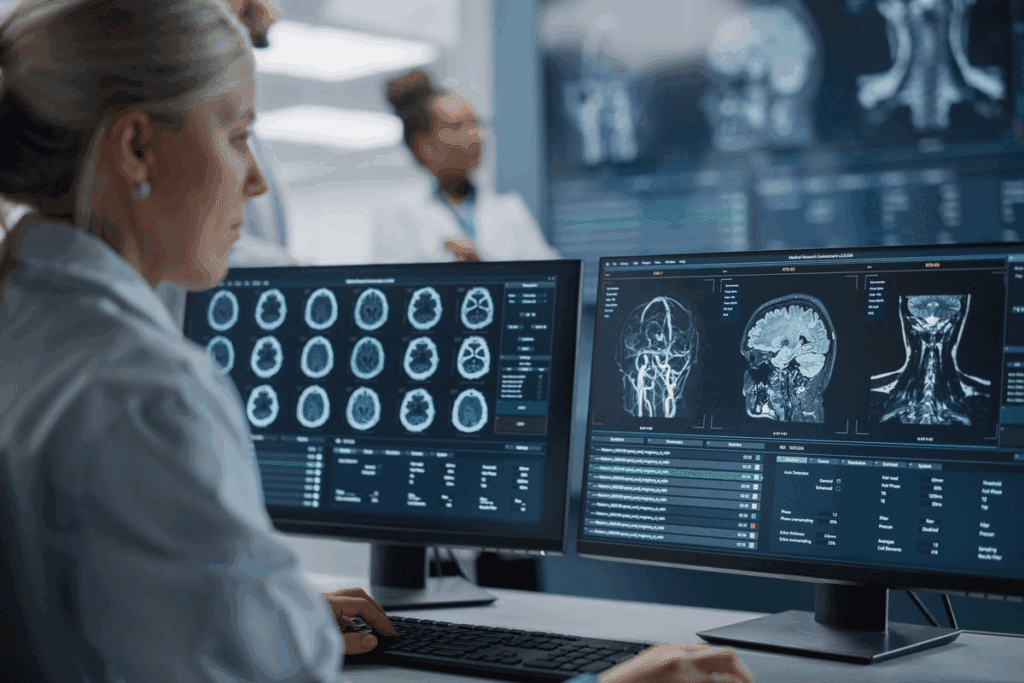
Diagnosing tumors of the brain and spine requires advanced imaging and specialized medical tests. Doctors often begin with imaging techniques such as magnetic resonance imaging (MRI) or computed tomography (CT) scans to visualize the brain and spinal cord.
These imaging tools help identify the location, size, and characteristics of a tumor. In some cases, a biopsy may be performed to obtain a small sample of the tumor tissue. This sample is examined under a microscope to determine whether the tumor is benign or malignant and to guide treatment decisions.
Accurate diagnosis is critical because each type of tumor requires a different treatment approach.
Treatment Options in Neuro-Oncology
Treatment for brain and spinal tumors depends on several factors, including the type of tumor, its location, and the patient’s overall health. Surgery is often the first step when the tumor can be safely removed. Advances in neurosurgical techniques allow surgeons to perform highly precise procedures while minimizing damage to surrounding brain tissue.
Radiation therapy is another common treatment used to destroy cancer cells or prevent tumors from growing further. In some cases, chemotherapy or targeted therapy may be recommended to control cancer cells that cannot be removed surgically.
Modern medical technologies such as image-guided surgery, stereotactic radiosurgery, and minimally invasive techniques have greatly improved treatment outcomes. These innovations help doctors treat tumors more accurately while reducing recovery time and complications.
The Importance of Early Detection
Early detection plays a vital role in improving the success of neuro-oncological treatment. When tumors are identified at an early stage, doctors have more treatment options and a greater chance of preserving neurological function.
Regular medical checkups and paying attention to unusual symptoms can help ensure that potential issues are addressed promptly. Patients who seek medical attention early often experience better recovery and quality of life after treatment.
Supporting Patients and Families During Treatment
A diagnosis involving the brain or spinal cord can be emotionally challenging for both patients and their families. Beyond medical treatment, emotional support and clear communication with healthcare providers are essential.
Patients benefit greatly from understanding their condition and being actively involved in treatment decisions. Families also play an important role in encouraging, helping manage appointments, and supporting the patient during recovery.
Support groups, counseling services, and rehabilitation programs can help patients cope with the physical and emotional aspects of treatment.
Advances in Neuro-Oncology
Over the past few decades, neuro-oncology has seen remarkable progress. Innovations in imaging, surgical techniques, and targeted therapies have transformed the way brain and spinal tumors are treated.
Researchers continue to explore new therapies, including precision medicine and immunotherapy, which aim to target cancer cells more effectively while minimizing side effects. These advancements offer hope for improved survival rates and better quality of life for patients.
Conclusion
Neuro-oncology is a complex but rapidly evolving field that plays a critical role in treating tumors affecting the brain and spinal cord. Through collaboration among specialists, advanced technology, and personalized treatment plans, patients today have access to more effective care than ever before.
For patients and families, understanding neuro-oncology can help reduce uncertainty and empower them to make informed treatment decisions. With the guidance of experienced specialists and the support of loved ones, many patients successfully navigate their journey toward recovery and improved health.