
Though the cosiness of winter is often longed for during the height of summer, the novelty soon wears off when it arrives in full force. There are only so many hot chocolates one can drink, so many rainy walks one can take before the damp sets into our bones, and the taste of cough medicine becomes unbearable.
The Oxford terms have a particular knack for exaggerating this sentiment. It is hard to romanticise the depths of Michaelmas whilst shivering in the corner of a draughty library, sleep-deprived and ill. The cold becomes incessant; the light, non-existent. Internship applications, financial worries, and personal struggles quickly dispel any notion of a ‘cosy season’, leaving us with nothing but darkness and deadlines.
And yet just as the solemnity of Michaelmas begins to feel eternal, the first signs of spring start to appear.
Indeed, spring in Oxford is a quiet reminder of this simple truth: no period of darkness, sadness, or cold lasts forever.
Spring does not arrive with fanfare and spectacle. It does not loudly announce its presence with exaggerated gestures. Rather, it gradually appears from among moss and soil.
The sun rises earlier. The days are brighter. The college lawn breathes again. The river flows and gently laps its banks, as the birds sing confidently among the magnolia trees. A city, once silent and bound by the cold, begins to thaw.
A few weeks ago, I decided to venture out of college on an early morning walk. As I ambled down towards Christ Church Meadow, I was enamoured by the signs of spring emerging from the cracks of our city. The light spilled across the dreaming spires like honey. The daffodils and crocuses lined the verges with purple and gold. The blossoms danced through the wind.
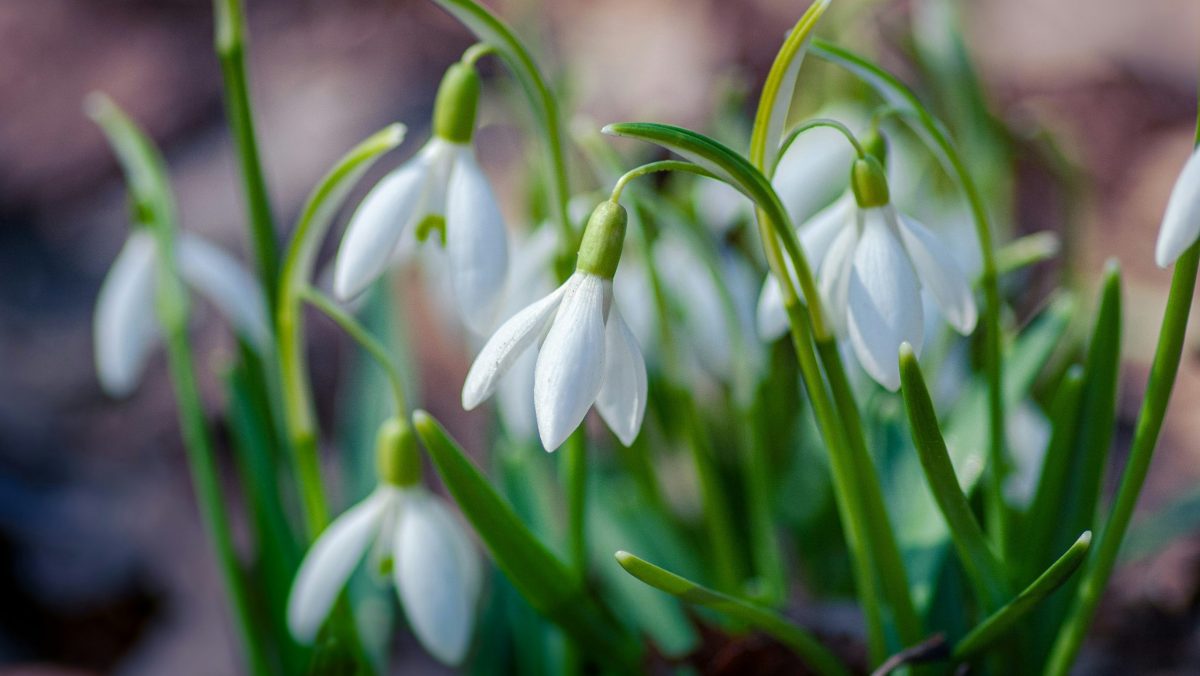
Yet by far the greatest and most welcome sight were the congregations of snowdrops, humble and strong, gathering between the colleges; their white heads were bowed to the ground, like little bells sounding out across the cobbles.
Snowdrops (Galanthus nivalis) are a personal favourite of mine. They have been a part of our wild landscape for centuries and are particularly associated with the coming of spring. They are native to the alpine regions of Europe and the Middle East and they were brought to Britain by monks in the 16th Century. Though their history is complex and often obscure, their symbolism is rich.
In Greek mythology, they were associated with Persephone’s return from Hades and the subsequent coming of spring. In ancient German folklore, the snowdrop is portrayed as a kind and humble plant. When the world was created, the Snow sought to borrow a colour from one of the flowers. Though the other flowers turned their backs on the Snow’s pleas, the snowdrops took pity. They came forth and offered up their colour to the Snow. The Snow accepted, and in return, it permitted the snowdrops to grow strong during the winter.
Their white petals also led them to become a symbol of chastity, renewal, and innocence. Across Europe, they were commonly used as altar flowers dedicated to the Virgin Mary. Flowering in February, they were strung together as garlands and worn during Catholic Candlemas celebrations, concerning the Purification of Mary.
Victorian floriography, the so-called ‘language of flowers’, favoured the snowdrop as a symbol of hope and rebirth. Their ability to survive the harsh frosts of February was seen as a representation of light’s victory over darkness; they became a reminder of winter’s finitude.
Due to this rich and varied symbolism, they have featured prominently in art and poetry. Most notably, Alfred Lord Tennyson’s poem “The Snowdrop” presents the flower as the “prophet” of Spring.
Recently, they have been instrumental in modern medicine. Their bulbs contain compounds that are being used to develop treatments for Alzhiemer’s, demonstrating that these flowers are not merely aesthetic symbols but the embodiment of healing and life.
As I walk through Oxford, I see these dear flowers return as they have done for centuries. These ancient friends decorate our verges and sing sweetly to passers-by. Despite their humble and unassuming appearance, their enduring presence continues to provide many with a steady source of hope. They are quiet reminders that, no matter how dark the winter, no matter how cold the frost, life will come again and all shall be well.