
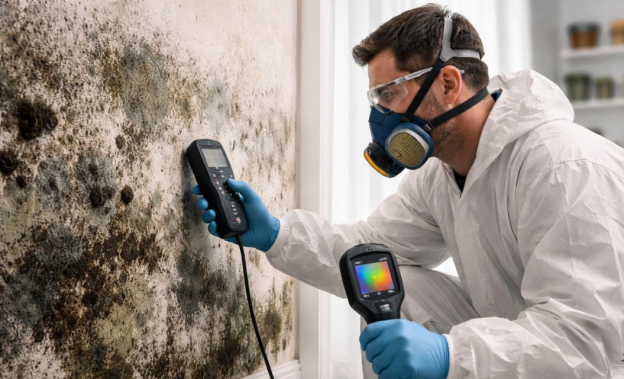
As winter fades and spring arrives, most homeowners focus on refreshing their homes, yet it is easy to forget about the plumbing. Over the colder months, drains can quietly gather debris, grease, and waste. Without proper attention, clogs and unpleasant odors can appear just as you are enjoying the season. That is why it is important to include drain maintenance on your spring cleaning checklist. If you are looking for specialized solutions in your area, consider local experts with proven experience drain cleaning in Woodstock GA.
Simple, routine care can save you from big plumbing headaches down the road. Not only does a clean drain system prevent frustrating clogs and foul smells, but it can also extend the life of your plumbing and reduce costly emergency calls. Spring is the best time to assess and refresh your drains, ensuring clear passage for all the water and waste your household generates.
Why Spring Is the Ideal Time for Drain Maintenance
Spring is often associated with new beginnings, making it a practical time to tackle overlooked household tasks. As snow melts and rainfall increases, your drainage system is put under additional strain. Debris that settled over winter or built up inside pipes can now loosen and cause blockages. By addressing minor problems early, you ensure your plumbing is ready for increased seasonal demands.
Additionally, spring weather allows for a full inspection of both indoor and outdoor drains. This makes it easier to spot and resolve issues before summer storms or increased water use push an already-struggling system past its limit. Taking time now to clean and maintain your drains can help prevent unsanitary overflow situations and unwanted water damage inside your home. Regular checks are especially important for households with children, pets, or multiple bathrooms.
Common Signs of Drain Issues
Catching drain problems early makes them far easier to fix. Watch for these symptoms:
- Slow Draining Water: If water pools around sinks, showers, or tubs instead of draining quickly, you likely have a partial blockage. This is a warning sign that more severe clogs could be developing.
- Unpleasant Odors: Foul, musty, or sewage-like smells from your drains can indicate food, grease, or organic debris is trapped and decomposing. These smells are not only unpleasant but could point to unhealthy bacteria growing where you cannot see.
- Gurgling Sounds: Odd noises or bubbling from drains often mean air is trapped behind a blockage. This can point to restricted water flow or clogs forming deeper in the plumbing system.
Effective DIY Drain Cleaning Methods
For homeowners willing to tackle minor drain maintenance, a few safe and effective techniques can help keep pipes clear. Using chemical drain cleaners can sometimes damage pipes and should be avoided if possible. Instead, these approaches are gentle yet practical:
1. Boiling Water Flush
Carefully pouring boiling water down your drains helps dissolve and wash away grease and mild blockages. Kitchens benefit from this simple method, especially after heavy cooking or holiday gatherings.
2. Baking Soda and Vinegar Solution
- Pour half a cup of baking soda down the target drain.
- Carefully add half a cup of white vinegar.
- Securely cover the drain for around 30 minutes to let the natural chemical reaction break down materials.
- Finish by flushing with hot water to rinse away loosened debris.
This technique is both affordable and eco-friendly, helping neutralize unpleasant odors and remove minor buildup in pipes.
3. Plunging
For obvious clogs in sinks, toilets, or tubs, using a plunger can free trapped debris. Make sure to create a tight seal and push with steady pressure. This method can remove or loosen clogs, restoring normal water flow.
Preventative Measures to Keep Drains Clear
Keeping drains clear is easier than resolving major clogs. By building a few habits into your household routine, you can drastically reduce plumbing problems:
- Use Drain Guards: Mesh or metal drain covers in sinks and tubs will trap hair, food particles, and other debris before it gets into the plumbing.
- Avoid Pouring Grease: Always collect cooking oils and grease in a disposable container rather than dumping them down the sink, as these can harden and block pipes rapidly.
- Regular Hot Water Flushes: Pour hot water down your kitchen drains once a week to help keep fats, soap, and oils moving through the system instead of collecting inside pipes.
Proper maintenance goes a long way in protecting both your investment and your health.
When to Call a Professional
If standard cleaning methods are not solving your drainage issues, or if you notice repeated or severe problems, it is time to contact a professional plumber. Persistent slow drains, water backing up, or gurgling noises can signal a significant blockage or a failing sewer line, issues that demand expert attention to avoid further property damage.
Plumbers use specialized equipment, such as drain snakes and cameras, to diagnose and resolve problems deep within your pipes. Routine annual inspections by professionals can also reveal hidden problems, like tree root intrusion, before they become emergencies. The Homes & Gardens provides more on why, sometimes, only a pro can fully eliminate a stubborn clog.
Conclusion
Incorporating drain cleaning into your regular spring maintenance keeps your plumbing flowing smoothly all year. Attention to the early warning signs, the use of safe DIY strategies, and the practice of preventative cleaning methods can spare you costly repairs and keep your home fresh and comfortable. Should you face repeated trouble, do not hesitate to reach out to trusted local plumbers who can ensure your drains work perfectly for seasons to come.