

In the wake of the recent Ebola virus outbreak in the Democratic Republic of Congo (DRC) and Uganda, the Oxford Vaccine Group (OVG) is working with Oxford’s own Clinical BioManufacturing Facility and the Serum Institute of India Pvt. Ltd. to develop a new vaccine to mitigate the spread of the virus.
This vaccine uses the ChAdOx1 platform, the same technology that was used in the AstraZeneca vaccine during the COVID-19 pandemic. The difference now, however, is that the technology has been prepared with genetic code from the Bundibugyo species of Ebola virus (the species which has caused the most recent outbreak in the DRC and Uganda), as opposed to code from coronavirus.
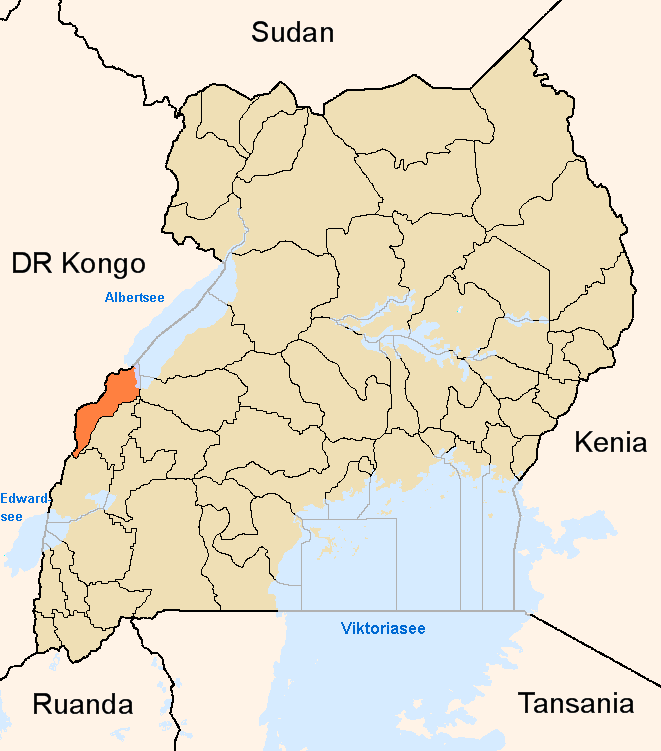
Image via Wikimedia Commons, CC BY-SA 3.0
The speed of the vaccine’s production has been reiterated by the scientist leading the operation, Professor Teresa Lambe (Calleva Head of Vaccine Immunology at the Oxford Vaccine Group). Lambe states that, whilst “hopefully contact tracing and quarantine is all that’s needed… we can’t take our foot off the gas”. According to the WHO (World Health Organisation), the vaccine could be available for use in clinical trials in two to three months.
Historically, the University of Oxford has played a pivotal role in the production of vaccine doses against previous viral outbreaks, as seen during the COVID-10 pandemic.. During outbreaks of Ebola virus in Uganda, Equatorial Guinea and Tanzania between 2022 and 2025, vaccines designed by Lambe and her team in OVG and the Pandemic Sciences Institute were selected by the WHOfor inclusion in vaccination trials. This speaks to the immense achievements of the OVG in global vaccine development.
The Ebola virus itself is a rare but severe illness. It is transmitted through close contact with the blood, secretions, organs or other bodily fluids of infected animals such as fruit bats (thought to be the natural hosts).
What makes the development of this vaccine so significant is that it is the first of its kind to be produced for the Bondibugyo Ebola virus strain, which has caused the present outbreak recorded from early in May of this year in the DRC. Up until the development of the OVG vaccine, there was no proven vaccine for this specific strain. Previously, there have only been two recorded outbreaks of Ebola virus caused by the Bundibugyo virus.
On 17 May 2026, the Director-General of the WHO determined that ‘the Ebola disease caused by Bundibugyo virus in the Democratic Republic of the Congo and Uganda constitutes a public health emergency of international concern (PHEIC), but does not meet the criteria of pandemic emergency’. According to the CDC (the U.S. Centre for Disease Control and Prevention), as of 30 May 2026 there are 210 confirmed cases of Ebola virus in the DRC, and there have been 17 confirmed deaths. In Uganda, there are nine confirmed cases and one confirmed death. These figures demonstrate the severity of the outbreak, and only reinforces the need to roll out an effective vaccine as soon as possible.
The development of this vaccine will hopefully prove pivotal to mitigating the spread of Ebola virus in the DRC, and reflects the University’s status as an institution both for education and for ground-breaking research.
A member of the Oxford Vaccine Group was approached for comment.