
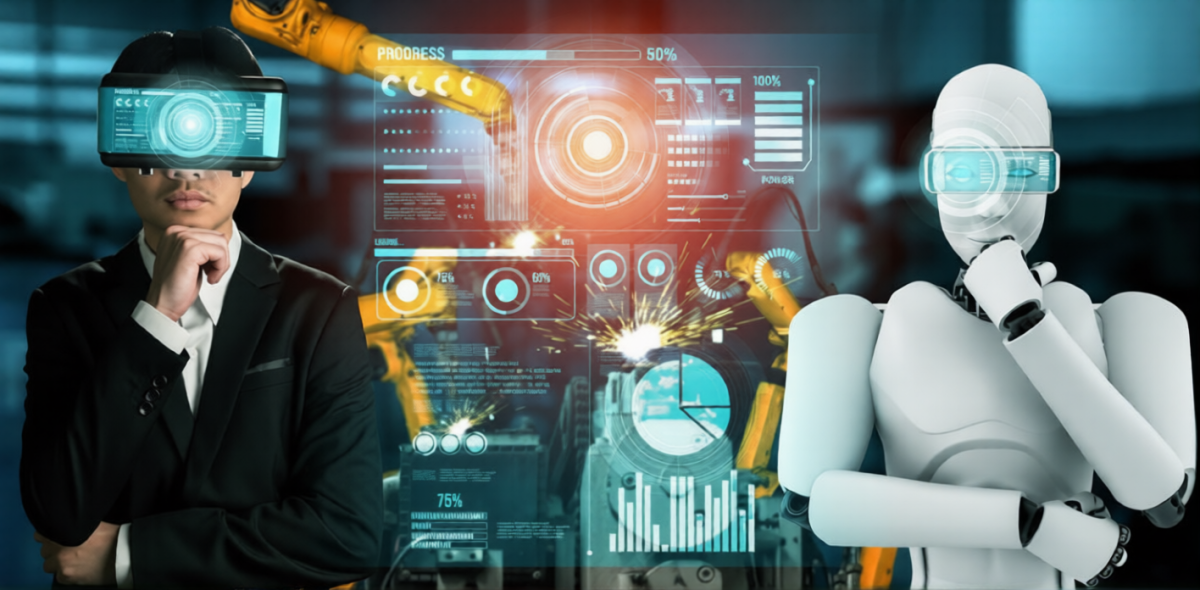
The world of artificial intelligence (AI) is evolving faster than ever. Among the most promising developments in recent years is the rise of multi-agent AI systems, which have the potential to transform industries, enhance productivity, and drive innovation in ways that single-agent AI simply cannot. For businesses looking to stay ahead, exploring custom AI development services that implement multi-agent systems is becoming a strategic necessity. These services allow organizations to design AI systems with multiple interacting agents that collaborate, negotiate, and adapt in real time, opening doors to efficiencies previously thought impossible.
Understanding Multi-Agent AI Systems
At its core, a multi-agent AI system consists of multiple intelligent entities, or “agents,” that can perceive their environment, make decisions, and act autonomously. Unlike traditional AI models that operate in isolation, these agents communicate and coordinate with each other to achieve common or individual goals. Think of it as a digital ecosystem where each component works synergistically, much like a team of experts brainstorming solutions together.
The concept is inspired by natural systems such as ant colonies or human societies, where collective intelligence emerges from the interactions of individuals. In AI, this translates into systems capable of solving complex problems that would overwhelm a single AI agent. From logistics to finance, these systems provide robust solutions to real-world challenges by dividing tasks intelligently among agents and optimizing outcomes collaboratively.
Advantages of Multi-Agent AI
Multi-agent AI systems offer several distinct advantages over traditional AI models:
- Scalability: Multiple agents can handle larger and more complex tasks by distributing workloads efficiently.
- Flexibility: Systems can adapt dynamically to changes in the environment or unexpected events.
- Resilience: If one agent fails, others can continue the operation, reducing downtime and errors.
- Parallel Problem-Solving: Agents can explore multiple strategies simultaneously, increasing the speed and quality of decision-making.
- Enhanced Collaboration: By communicating and negotiating, agents can reach optimized solutions that single-agent systems might miss.
These benefits make multi-agent AI particularly valuable for industries facing dynamic challenges, such as autonomous transportation, supply chain management, and predictive analytics.
Real-World Applications
The versatility of multi-agent AI systems is evident in various sectors:
- Healthcare: Agents can collaborate to manage patient data, predict disease outbreaks, and assist in robotic surgeries with higher precision.
- Finance: Multi-agent systems help in fraud detection, portfolio optimization, and market prediction by analyzing massive datasets concurrently.
- Smart Cities: Traffic management, energy distribution, and public safety benefit from AI agents that coordinate across urban systems in real time.
- Robotics: Swarms of robots can perform complex tasks, such as warehouse management or environmental monitoring, more efficiently than single units.
Companies that implement these solutions through professional development teams often gain a competitive edge. If you’re exploring advanced digital solutions, searching for app development companies near me can help identify local firms that are capable of integrating multi-agent AI into your technology stack.
How Multi-Agent Systems Solve Complex Problems
A significant strength of multi-agent AI is its ability to tackle problems that involve multiple variables and dynamic conditions. For instance, in logistics, agents representing individual trucks, drivers, and routes can coordinate to minimize delivery times while reducing fuel consumption. Each agent evaluates local information and communicates with others to optimize the entire network.
This decentralized approach avoids bottlenecks common in centralized AI systems and allows for continuous learning. Agents can adjust strategies based on real-time feedback, making these systems particularly effective in unpredictable environments. Additionally, by simulating human-like negotiation and cooperation, multi-agent systems can handle conflicts and resource allocation fairly and efficiently.
Learning and Adaptation in Multi-Agent Environments
Multi-agent systems excel in learning from their environment through methods like reinforcement learning. Each agent receives feedback on its actions, which it uses to improve future decisions. Over time, this iterative process can lead to emergent behaviors—patterns or strategies not explicitly programmed by developers but arising naturally from agent interactions.
For example, in a simulated traffic system, agents controlling autonomous vehicles might discover novel routing strategies that reduce congestion more effectively than human planners could anticipate. This capacity for emergent problem-solving is a game-changer for industries where complexity and unpredictability are the norms.
Moreover, as agents continue to interact, they build a collective memory and refine strategies in real time, creating a system that is not only intelligent but also adaptive and robust.
Challenges and Ethical Considerations
Despite their promise, multi-agent AI systems are not without challenges. Coordinating multiple agents introduces complexity in system design and can lead to unintended behaviors if agents are not carefully monitored. Ensuring that agents adhere to ethical guidelines and avoid bias in decision-making is crucial.
Security is another concern. With multiple agents communicating and sharing data, vulnerabilities can arise, making these systems targets for cyberattacks. Addressing these challenges requires rigorous testing, oversight, and transparent algorithm design.
Ethical considerations also extend to the impact on human jobs and decision-making authority. While multi-agent systems can augment human work, developers and organizations must ensure that these technologies are deployed responsibly and in ways that enhance human capabilities rather than replace them indiscriminately.
Future Trends in Multi-Agent AI
The potential of multi-agent AI is far from fully realized. Future developments are likely to focus on:
- Integration with IoT: Agents will manage interconnected devices to create truly smart environments.
- Advanced Simulation: Multi-agent AI will enable more accurate modeling of complex systems, from climate change to urban planning.
- Autonomous Systems: Swarms of drones, self-driving cars, and robotic assistants will rely on multi-agent coordination to operate safely and efficiently.
- Hybrid Human-AI Teams: Collaboration between humans and AI agents will become more seamless, leveraging the strengths of both for better decision-making.
As these trends unfold, organizations that invest in multi-agent AI now will be better positioned to lead in innovation, efficiency, and competitive advantage.
Conclusion
Multi-agent AI systems represent the next frontier in artificial intelligence. Their ability to collaborate, adapt, and learn in real time gives them a unique edge over traditional AI models. By distributing intelligence across multiple agents, businesses can tackle complex problems, optimize operations, and unlock new opportunities for growth.
From healthcare to urban planning, finance to robotics, the applications are endless—and the benefits are tangible. As AI continues to evolve, multi-agent systems will not just be a technological trend; they will become the foundation of smarter, more resilient, and more efficient AI ecosystems. For businesses ready to embrace the future, exploring solutions that incorporate multi-agent AI is no longer optional—it’s essential.