
My grandmother died in 2020. At the end of her life, she held on for months. Not because she wanted to — that much had become all too clear — but because her body wouldn’t let her go. My mother spent countless nights by her bedside, doing everything she could to ease what we saw as purposeless suffering that was well past the point of having a dignified end. Pain medication can only do so much. There is a horrifying cruelty in having to watch life cling to someone who longs to be rid of it. She deserved better.
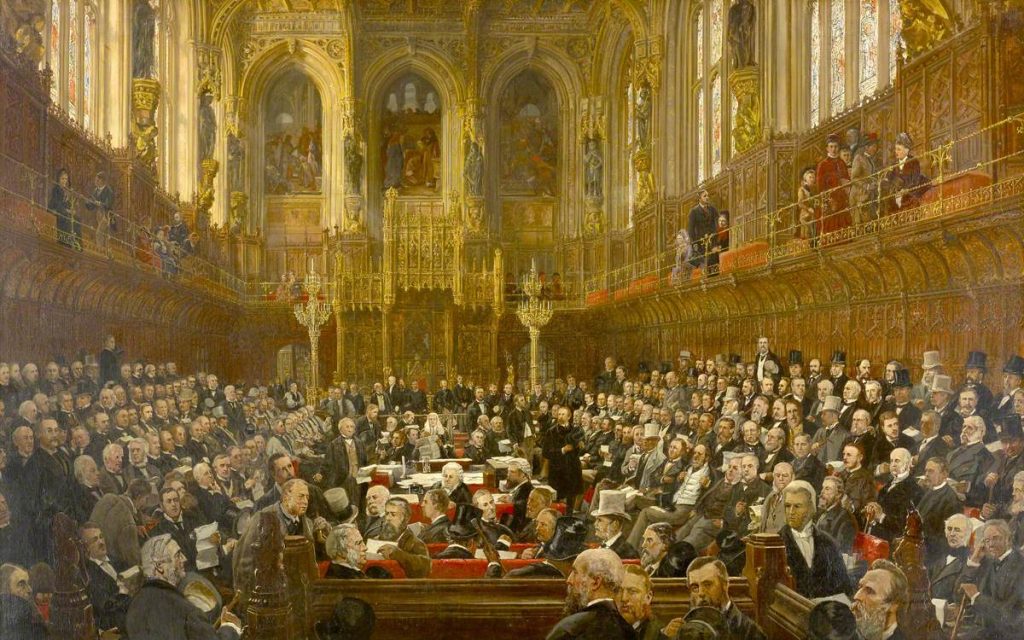
As I write this, peers in the House of Lords are deciding whether others should endure what my grandmother did. They should vote in favour of the assisted dying bill.
The current situation allows for people going through prolonged, almost unimaginable suffering, to be kept alive. We’re led to believe that this is compassion. This can be changed by The Terminally Ill Adults (End of Life) Bill; a tightly drawn piece of legislation that would allow those over the age of 18, expected to die within six months, the freedom to end their own lives. The safeguards that will accompany the bill are robust and include the opinions of multiple medical professionals, waiting periods, and judicial oversight. The motivation behind this bill is to offer people facing inevitable death some control over their last few months on earth.
MPs understand this and have voted twice in favour of the bill. The first time by a majority of 55 votes and the second, by 23. These weren’t whipped votes driven by party politics, but genuine expressions of conscience by our elected representatives. They reflect, I believe, what most people instinctively grasp: forcing someone to endure inescapable agony is cruel.
The bill now faces the House of Lords, where peers have tabled over 1,000 amendments, a record for a backbench bill. I don’t, for a second, resent this level of scrutiny. Some of these amendments address genuine concerns about protecting vulnerable people, tightening procedures, and ensuring effective and protective oversight. But others appear to have been designed to simply delay and obstruct. Proposals that assisted deaths should be filmed, or that applicants shouldn’t have left the country in the past year, aren’t, to me, serious attempts at improvement.
The bill was described by Baroness Tanni Grey-Thompson as “badly written” and full of gaps. I fully accept that the House of Lords must carry out rigorous legislative scrutiny. There’s a difference, however, between constructive amendment and deliberate obstruction.
The other side of the debate largely rests on the ‘slippery slope’ argument — one that proposes that allowing terminally ill people to choose death will lead to broader social acceptance of inflicting harm on other groups of vulnerable individuals. I disagree with this notion. The bill is explicitly constrained to adults with terminal diagnoses and a prognosis of less than six months to live, making this argument — at best — weak. The safeguards are precise and extensive. More importantly, does the logic not apply in both directions? Are we not currently inflicting harm by forcing individuals to remain in a state of prolonged, pointless suffering? When we deny terminally ill people the right to die with dignity, we’re not protecting life as much as we are simply prolonging death.
And time is running out. Parliament’s current session ends in May, and if the bill hasn’t passed by then, it dies. Unlike government legislation, bills put forward by backbenchers can’t be carried over to the next session. This would mean starting the whole thing from scratch. All the while, thousands continue to suffer needlessly.
This bill represents the furthest any assisted dying legislation has come in British politics. The momentum is there, with clear safeguards in place, and the elected representatives have spoken. But it could all be undone by delay tactics, carried out by an unelected chamber, in clear defiance of the mandate given by the elected one.
My grandmother’s final months were a clear demonstration of both the importance and the clear limits of palliative care, as well as the cruelty of uncontrolled dying. She was reduced to something less than herself, trapped in a body that became a prison. The peers debating this bill have the power to ensure others don’t face the same fate. This power should be used. Compassion isn’t about preserving life at all costs, but preserving dignity and minimising suffering. Sometimes the kindest thing you can do is allow someone the freedom to let go.