
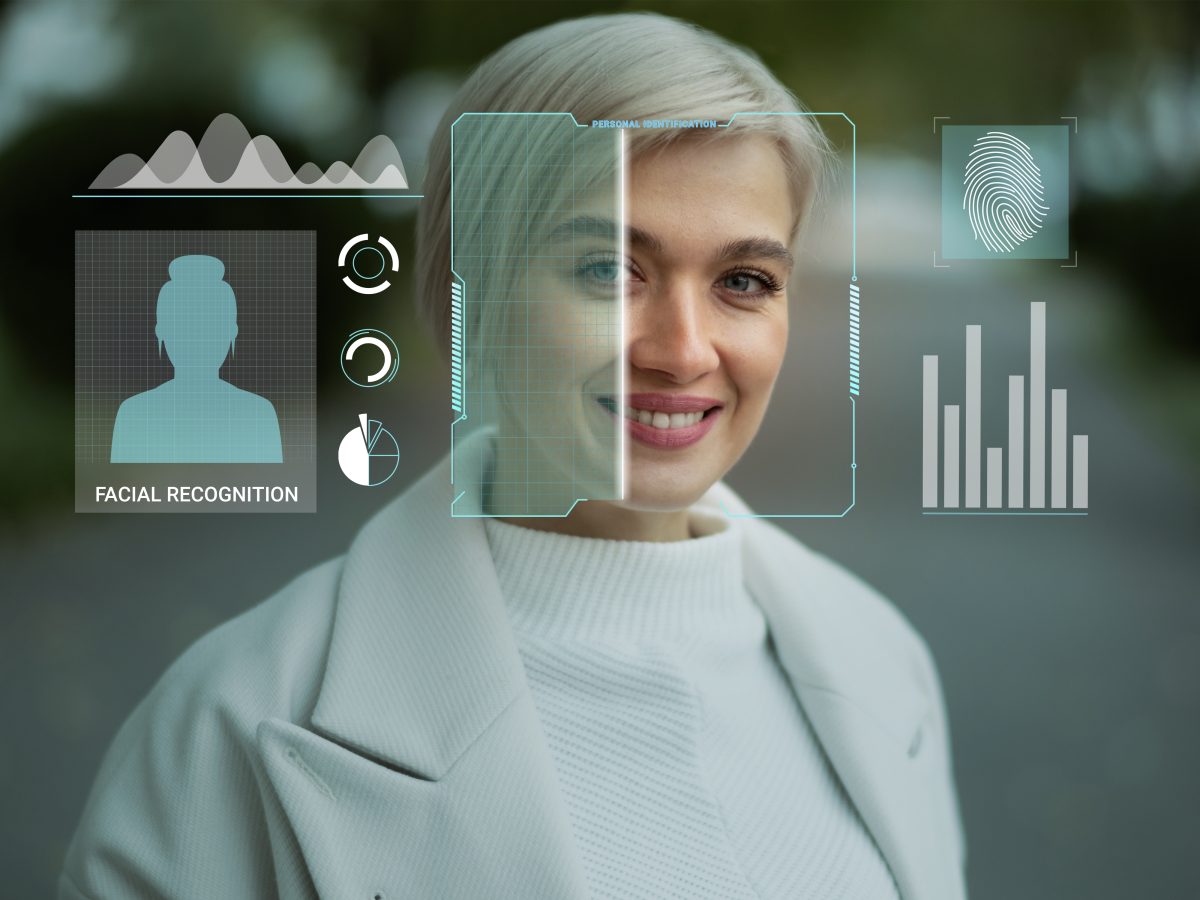
In the past decade, facial recognition technology (FRT) has emerged from the realm of science fiction to a mainstream reality. This cutting-edge technology, powered by artificial intelligence and machine learning, is transforming industries across security, retail, healthcare, and beyond. However, its rapid adoption also brings a set of ethical dilemmas, privacy concerns, and regulatory challenges that cannot be overlooked. In this blog, we’ll explore the trends driving facial recognition’s growth, its benefits, and the challenges it faces as it becomes more integrated into daily life.
How Facial Recognition Technology Works
At its core, facial recognition involves several key steps:
- Image Capture: The first step in the facial recognition process is capturing an image or video of a person’s face. This can be done through various devices, such as security cameras, smartphones, or even drones.
- Face Detection: Once the image is captured, the system detects the presence of a face in the frame. This is typically done using machine learning algorithms that distinguish human faces from other objects.
- Feature Extraction: After detecting a face, the system analyzes the unique facial features. Using deep learning techniques, it identifies landmarks such as the eyes, nose, mouth, and jawline, creating a “facial template” for each person.
- Matching and Identification: The facial template is compared against a database of known faces to either verify or identify the person. If a match is found, the system provides the identity of the individual. In the case of verification, it confirms whether the person is who they claim to be.
Key Trends in Facial Recognition Technology
Facial recognition technology has witnessed rapid evolution, and several trends are shaping its future:
1. Widespread Adoption in Consumer Devices
Facial recognition has become an essential feature in consumer devices, especially smartphones. Apple’s Face ID, introduced with the iPhone X, was one of the most significant milestones in this regard. Other tech giants, such as Google and Samsung, followed suit with their own variations of facial recognition systems.
Beyond smartphones, facial recognition is also integrated into laptops, tablets, and smartwatches, providing users with an easy, secure way to unlock their devices. The trend of using facial recognition for user authentication is expected to continue expanding, particularly in the realm of biometrics.
2. Increased Use in Security and Surveillance
Security and surveillance are among the most common and prominent applications of facial recognition technology. Governments and law enforcement agencies worldwide have adopted FRT to monitor public spaces, identify criminals, and enhance national security. In airports, for instance, facial recognition systems expedite identity verification for travelers, allowing for faster and more secure boarding processes.
Private companies are also incorporating facial recognition for surveillance purposes. For example, retail stores use cameras to monitor customer behavior, identify potential shoplifters, and even offer personalized advertisements.
3. AI and Deep Learning Enhancements
Advancements in AI and deep learning algorithms have significantly improved the accuracy and reliability of facial recognition systems. Today, AI models are capable of identifying faces under various lighting conditions, angles, and even when partial facial features are obstructed.
Moreover, AI-driven facial recognition systems can perform tasks beyond identification. For instance, they can analyze facial expressions to assess a person’s emotional state, which has applications in customer service, marketing, and mental health.
4. Integration with Other Biometric Technologies
As the demand for multifactor authentication grows, there’s a notable trend toward combining facial recognition with other biometric technologies. This includes fingerprint scanning, iris recognition, and voice recognition. The integration of multiple biometric data points increases security by ensuring that a person’s identity is verified across various modalities.
For instance, many airports and border security agencies are now utilizing multimodal biometric systems, combining facial recognition with fingerprint or iris scans for an added layer of authentication.
Benefits of Facial Recognition Technology
Facial recognition technology has revolutionized many industries by offering enhanced security, convenience, and personalization. Here are some of its key benefits:
1. Enhanced Security
The most obvious benefit of facial recognition is its role in enhancing security. Unlike traditional methods, such as passwords or PINs, facial recognition is difficult to replicate or steal. This makes it an excellent tool for securing sensitive areas like government buildings, corporate offices, or airports.
Facial recognition can also be used in law enforcement to identify suspects and track criminal activity. By scanning public spaces or using facial databases, police departments can quickly identify individuals with criminal records or locate missing persons.
2. Convenience for Consumers
Facial recognition offers unparalleled convenience, particularly in the realm of consumer devices. Users no longer need to remember passwords or fumble with fingerprint scanners. A simple glance at their phone or laptop is all it takes to unlock the device. This level of convenience enhances the user experience and makes daily tasks more seamless.
3. Personalization of Services
Facial recognition enables businesses to offer highly personalized services to their customers. For example, retail stores can use facial recognition to track returning customers and tailor advertisements or offers based on past purchases. Similarly, in hospitality, hotels can greet guests by name as they check in, creating a more welcoming and personalized experience.
4. Streamlined Operations in Various Sectors
Facial recognition is improving efficiency in various industries. In healthcare, for example, doctors and nurses can quickly access a patient’s medical history by scanning their face, eliminating the need for cumbersome ID cards or paperwork. Similarly, airports have streamlined check-in and boarding processes by using facial recognition to identify travelers in real-time.
Challenges in Facial Recognition Technology
Despite its advantages, facial recognition technology faces several significant challenges. These challenges range from privacy concerns to accuracy issues, and they must be addressed to ensure that the technology is used ethically and responsibly.
1. Privacy Concerns
One of the most debated issues surrounding facial recognition is the potential invasion of privacy. Critics argue that widespread surveillance using facial recognition systems could lead to a dystopian society where people are constantly monitored without their consent.
The use of facial recognition in public spaces has raised alarms about the erosion of privacy rights. For instance, there have been instances where individuals unknowingly had their faces scanned by security cameras, leading to fears of government overreach and loss of personal freedom.
2. Accuracy and Bias Issues
While facial recognition technology has improved significantly, it is not perfect. One major concern is its accuracy, particularly in diverse populations. Studies have shown that facial recognition systems tend to have higher error rates for women, people of color, and older individuals. This could lead to misidentifications or false positives, which can be problematic, especially in law enforcement and security contexts.
Furthermore, facial recognition systems are only as good as the data they are trained on. If these systems are trained on biased data, they may develop biased outcomes, leading to unfair treatment of certain groups of people.
3. Ethical Considerations
The ethical implications of facial recognition technology are a hotly debated topic. For example, in some cases, individuals’ faces may be scanned without their knowledge or consent, raising questions about consent and autonomy. Additionally, the potential for misuse by authoritarian governments or corporations looking to monitor individuals is a pressing concern.
There are also concerns about the technology being used for mass surveillance or social credit systems, particularly in countries with limited privacy protections.
4. Regulatory and Legal Challenges
As facial recognition technology becomes more widespread, governments and regulatory bodies are grappling with how to address its use. In many countries, there are no clear regulations on how FRT should be used or the extent to which individuals’ data should be protected.
In some jurisdictions, there have been calls to ban or restrict the use of facial recognition in public spaces, citing the potential for abuse. This has prompted a need for comprehensive legal frameworks to ensure that the technology is used responsibly and transparently.
The Future of Facial Recognition Technology
Looking ahead, facial recognition technology will continue to evolve. Advances in AI, deep learning, and multimodal biometrics will make the technology more accurate and reliable. However, this progress will need to be balanced with the development of robust privacy protections and regulatory frameworks to ensure that facial recognition is used ethically.
As with any technology, the key to its success lies in how it is deployed. If used responsibly, facial recognition can revolutionize industries, enhance security, and improve user experiences. However, if misused or left unchecked, it could lead to serious ethical and privacy issues that could undermine public trust.
Conclusion
Facial recognition technology is a powerful tool that has the potential to revolutionize how we interact with the world around us. While its benefits in security, convenience, and personalization are undeniable, it also raises important questions about privacy, ethics, and accuracy. As the technology continues to evolve, we must strike a balance between innovation and responsibility. The future of facial recognition will depend not only on technical advancements but also on how societies and governments choose to regulate and control its use.