
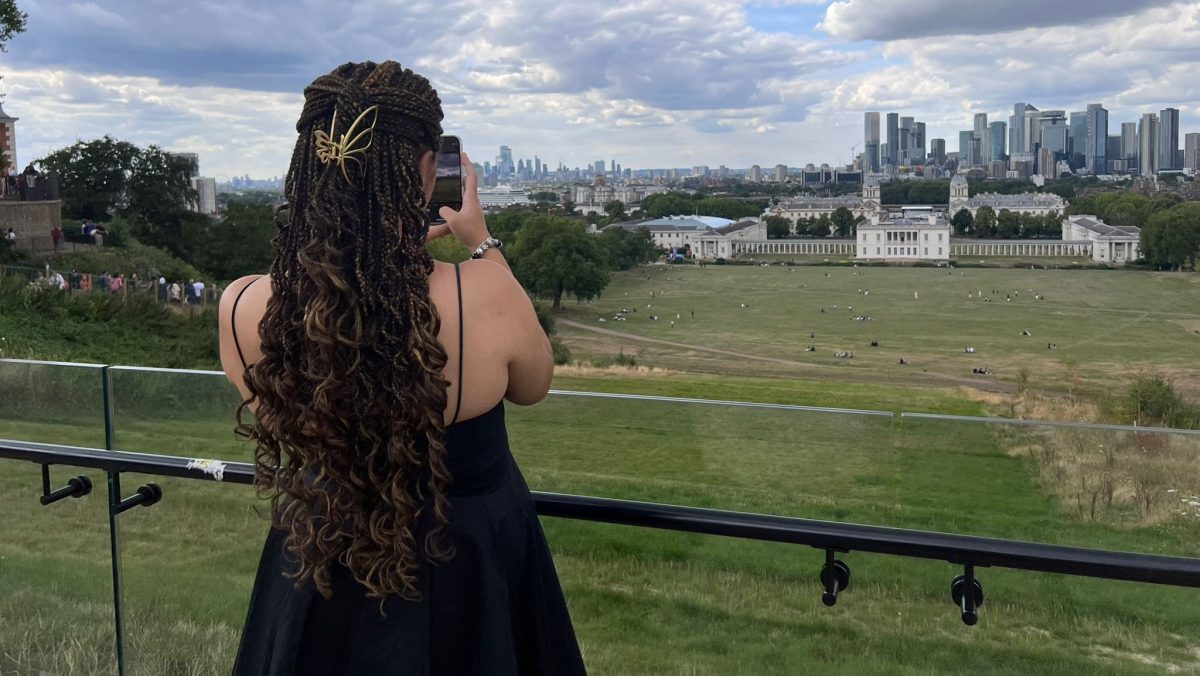
Hair represents us. It is a means of self-expression, and a channel for our creativity, used for centuries, if not millennia, in this way. Since I first got my box braids five years ago, I have found that these are a part of myself, that they represent me and my heritage. Braids, however, do not represent me alone, but myriad unique cultures, each with their own style and significance.
Looking back through history, there is a common thread between cultures: braiding. They have such deep meanings across the globe – from Africa, to the Americas, Europe, and Asia. Within these, it is impossible to express the number of distinct braids and their meanings, but using hair as a tool of both individuality and community is universal. Even in fiction, braids have this significance: Game of Thrones‘ Dothraki have hair symbolizing their strength, as they earn a braid for each victory. Like other aspects of this series, this mirrors reality, in which braids and their styles have evolved from our histories.
In recent decades, braids in African and Caribbean styles have become major disputes in workplaces and universities, as they are deemed undesirable, or even unprofessional. However, this diminishes their value and historical relevance. In 19th century Ethiopia, cornrows were associated with warriors and rulers, while in the Caribbean, they refer to corn or sugar cane fields. To deem these undesirable in a modern world does not reflect what they mean, and have always meant, to so many different groups. Even in the Antebellum South era (c. 1820-1860 USA), they had such significance, since dressing the hair gave enslaved people a form of personal expression and allowed unique ethnicities to identify themselves. This was the only aspect of their experience that enslaved people had control over, and so this same self-expression today highlights a control that people previously fought for – so much so that runaways from plantations used their hair as a means of maintaining their freedom. Ingeniously, people hid rice grains in their hair, in order to have a food source in Maroon societies, which consisted of groups of former slaves, who resisted the system which they were forced into. Cornrow braids represent freedom, resistance, and, therefore, should be treated as such.
That said, box braids are of equal significance. These were brought into the limelight from the 1990s, with a broader acceptance and appreciation of the style. In the media, these have become more prevalent, and it was only upon seeing these used on screen that I decided to get these myself. The trend-setter for these was Janet Jackson in 1993, with her film Poetic Justice, and this set off a chain of increased use of box braids in movies, television, and among American women and girls. I think one of the most iconic of the era – or, at least, the one that comes straight to my mind – is Dionne from Clueless, who pairs her braids with her signature fashion aesthetic. These characters are some of the iconic Black women of the 1990s, and are the basis for the styles and trends among Black actresses, musicians, and models today. The use of these braids underlines a transformative journey from ancient traditions into modern styles and statements. So, in seeing these modern styles, it is important to remember the history behind these, and how their presence even on screen is significant. Since there are so many distinct styles, from so many distinct regions, every person’s hairstyle means something unique to them. My own braids are a part of me, and I know that is true for many of my friends. Trying different styles, colours, and patterns links us to those who wore them before, and to those who fought to do so.
However, I cannot only mention braids in African styles, as they retain their significance on various continents. In the Americas, they contain their own symbolism in various Native American nations and peoples: Quapaw, Blackfoot, Kiowa, Lakota, and more. Hair was sacred to individuals, families, and communities, with varieties in the use of two or three braids, depending on each community’s spirituality. Braiding a child’s hair is symbolic in these cultures, representing the beginning of establishing deep and nurturing relationships among family.
The braids themselves, however, represent this. The middle part represents a perfect equilibrium, in both a physical and a spiritual sense. Meanwhile, single strands of hair are weak when tugged on, but hair all together in a braid is much stronger. The strands symbolize the idea of harmony between individuals, tribes, and the natural world. These are adorned with beadwork, feathers, fur, silver, or other items, and the use of these today link to their historic value. When only around 2% of the United States population is Native American, these braids represent a culture and a history that is less present in modern society. Therefore, the significance of wearing these braids in these ways cannot be underestimated, especially in maintaining the presence of a culture that is a minority in their native lands.
Lastly, I think European styles deserve a mention. Generally, when discussing braids and cultural relevance, African and American styles spring to mind, but there are more styles with equal importance. Many will also think of Viking braids – practical, battle-ready configurations that were also a social network, with the hair tight enough to keep the Gods happy, thus linking their religion and fighter spirit. In addition to this, many will think of fishtail braids, originating in Ancient Greece. This is a style that is increasingly popular in the modern day, and, of all the styles I have mentioned, this is the one that I saw the most growing up, and yet the one whose significance I understood the least. This braid also adorned the Caryatids from 430 BC on the Athenian Acropolis. It was used in antiquity to distinguish the kanephoroi (virgins in a religious festival who led ritual processions), and so its immortality in the Caryatid statues links girls and women today to their ancient counterparts.
Ultimately, braids represent us and our cultures in ways that can be deeply and spiritually understood. In choosing to wear a braid, each person forms a connection with their historic counterparts, whether they acknowledge it or not. It is this intrinsic link, seen through our hair and our choices of self-expression that truly signify our own identities, and our perpetual relationship with the past.