

Central Europe is often described in terms of geography, but that only tells part of the story. What really defines the region is how it feels to move through it. Languages shift within a few hours of travel. Architecture changes block by block.
Meals become heavier or lighter, earlier or later, depending on which side of an invisible line you’ve crossed. Central Europe sits between worlds, and it doesn’t rush to resolve the tension.
For travellers, this creates a particular kind of journey. One that rewards attention, patience, and a willingness to notice differences rather than smooth them over. You don’t pass through Central Europe quickly. You absorb it.
What Central Europe Actually Means on the Ground
Central Europe is not a single cultural unit, despite how often it’s grouped together. Countries like Austria, Czech Republic, Hungary, Poland, and Slovakia share historical overlap, but each has developed its own pace and priorities.
What unites them is a sense of continuity. Old town centres are still functional. Markets still serve locals. Trains are part of everyday life rather than a novelty. As a traveller, you’re stepping into places that haven’t reorganised themselves solely around tourism.
Distances are short, but contrasts are sharp. A morning coffee in Vienna feels deliberate and formal. The same ritual in Prague leans toward casual efficiency. In Budapest, it might turn into a long pause by the river.
Cities That Reveal the Region’s Layers
Central European cities are compact, walkable, and deeply layered. They reward slow exploration rather than checklist sightseeing.
Vienna operates with quiet confidence. Its streets are wide, its systems efficient, and its cultural institutions woven into daily life rather than isolated from it. Museums, cafés, and parks feel like extensions of the city’s rhythm.
Prague is visually dramatic, but its appeal goes beyond the postcard angles. Step away from the main squares and you find residential neighbourhoods where everyday routines continue uninterrupted.
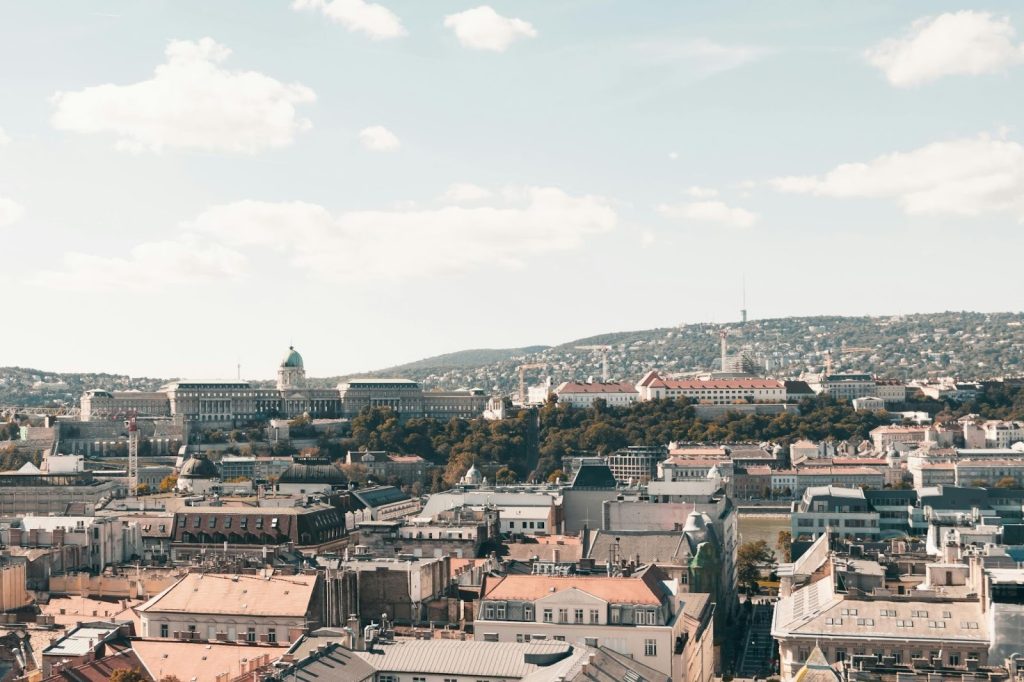
In Budapest, the city stretches along the Danube, with Buda’s hills and Pest’s flat avenues creating natural contrast. Thermal baths, late dinners, and long walks along the river shape how time is spent here.
Smaller cities like Kraków and Bratislava offer a more intimate scale, where history feels close and daily life easy to observe.
Landscapes Between Capitals
One of Central Europe’s strengths is how quickly cities give way to countryside. Vineyards, forests, and mountain ranges sit just beyond urban edges.
The Wachau Valley between Vienna and Melk combines small towns, terraced vineyards, and river views that encourage slower travel. In Slovakia and southern Poland, the Tatra Mountains offer hiking, alpine towns, and a cooler pace compared to the capitals.
These landscapes aren’t remote or isolated. They’re lived in, farmed, and connected by reliable transport, making them easy to include without heavy planning.
Food as a Cultural Connector
Central European food is practical, seasonal, and shaped by climate. Hearty soups, slow-cooked meats, fresh bread, and pastries form the backbone of most regional cuisines. Meals tend to be filling rather than experimental, designed to sustain rather than impress.
Markets play a central role. In cities and smaller towns alike, they offer insight into what people actually eat day to day. Sitting down for a long lunch or an unhurried dinner often becomes a social anchor, especially in places where evenings are reserved for conversation rather than entertainment.
River Cruises as a Different Way Through the Region
For travellers who prefer continuity without constant packing and unpacking, river cruises through Central Europe offer a distinct way to experience Central Europe. Rather than focusing on a single country, they follow natural routes that have connected the region for centuries.
The Danube River is the most prominent of these. Flowing through or alongside Germany, Austria, Slovakia, Hungary, and beyond, it links capitals and smaller towns in a way that feels organic rather than forced.
River cruising allows you to wake up in a new city without losing your sense of place. Days are structured but flexible—guided walks in the morning, independent exploration in the afternoon, quiet travel time in between. For many travellers, this balance makes deeper engagement possible without fatigue.
Cruises through this region often stop in places that are harder to reach efficiently by land alone, particularly smaller towns along the riverbanks. The experience emphasises observation and continuity rather than speed, which suits Central Europe’s layered character.
Practical Movement and Getting Around
Central Europe is one of the easiest regions in Europe to navigate. Trains are frequent, affordable, and reliable. Major cities are well connected, and border crossings are often barely noticeable.
Walking remains the best way to understand urban areas. Most historic centres are compact, and daily errands happen on foot. This shapes the traveller’s experience, making cities feel accessible rather than overwhelming.
Pace, Etiquette, and Cultural Awareness
Central Europe values structure, but not rigidity. Punctuality matters, but conversations aren’t rushed. Service is polite rather than performative. As a visitor, matching this tone—calm, observant, respectful—goes a long way.
English is widely spoken in cities, but learning a few local phrases is appreciated, especially in smaller towns. Cultural differences aren’t barriers here; they’re part of the texture of the trip.
Why Central Europe Stays With You
Central Europe doesn’t rely on spectacle alone. Its appeal comes from accumulation—small observations, repeated routines, subtle contrasts between east and west. The region reveals itself over time, whether you’re moving by train, walking through neighbourhoods, or drifting along a river.
It’s a place where history is visible but not frozen, where daily life continues alongside centuries-old streets. For travellers willing to slow down and pay attention, Central Europe offers not just destinations, but a way of moving through them that feels grounded, coherent, and quietly rewarding.